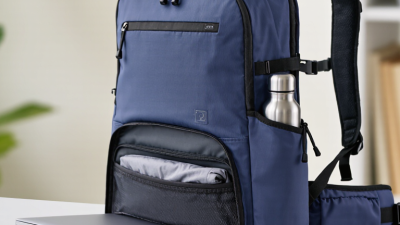
2026 Top Back Pack Bag Types for Global Buyers
In 2026, global buyers will assess more than appearance when choosing a Back Pack Bag. They will examine carrying comfort, fabric strength, storage design, repair options, and responsible production. A city commuter may need a slim laptop compartment and hidden pocket. A weekend traveler may prioritize expandable space, breathable back panels, and water-resistant zippers. Different journeys demand different designs.
Mike Pfotenhauer, founder of Osprey, has often emphasized, “Fit is everything.” That principle remains practical. A bag can look premium, yet feel uncomfortable after two hours on a crowded train. Buyers should check shoulder-strap adjustment, hip-belt support, weight distribution, and ventilation. Small details matter. A smooth zipper helps. A stable base helps more.
This guide reviews the top Back Pack Bag types expected to attract global buyers in 2026. It considers travel backpacks, business backpacks, school styles, outdoor packs, anti-theft designs, and convertible models. The evaluation focuses on real use, not only product photography or trend language. Materials, stitching, capacity, maintenance, and supplier consistency also deserve attention.
No ranking is perfect. Preferences differ across climates, industries, body shapes, and purchasing budgets. Some lightweight materials may sacrifice long-term durability. Some recycled fabrics may need improved coating performance. Buyers should question attractive claims and request testing details. A careful decision compares specifications with daily reality. Sometimes, the simplest design wins.
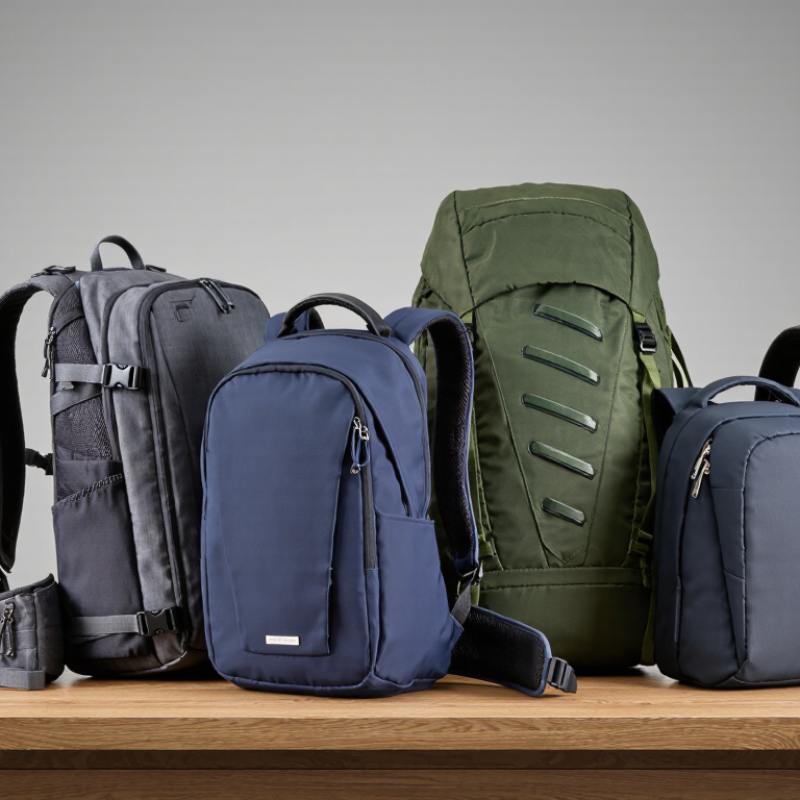
Backpack Categories Shaping Global Buying Trends in 2026
2026 Top Back Pack Bag Types for Global Buyers
Backpack categories are shifting with work, travel, and outdoor routines. Urban commuter backpacks now combine padded laptop spaces, water resistance, and discreet organization. Grand View Research values the global backpack market at about USD 20 billion and projects steady growth through 2030. Its findings support continued demand for practical, everyday designs.
Travel backpacks are also gaining attention. Buyers want clamshell openings, luggage sleeves, and lighter frames for short international trips. Outdoor backpacks remain important, especially with breathable panels, hydration storage, and weather-resistant fabrics. Research and Markets identifies travel and outdoor use as major growth areas within the wider bags sector. However, that division is not perfectly clear. A commuter may need hiking-level durability.
Convertible backpacks are another visible category for 2026. Their straps can change for office travel, cycling, or weekend use. Recycled polyester and repairable components increasingly influence purchasing decisions. The Ellen MacArthur Foundation reports that longer product use can reduce material pressure, although durability claims still require careful testing. Labels alone are not enough.
School and student backpacks continue to depend on ergonomic construction. Buyers examine weight, shoulder padding, and compartment balance more closely. Small details matter. A bag can look sustainable but feel uncomfortable after ten minutes. Global purchasers should compare fabric tests, stitching quality, warranty terms, and regional user feedback before placing large orders.
Key Features and Materials Across Major Backpack Types
2026 Top Back Pack Bag Types for Global Buyers
Key Features and Materials Across Major Backpack Types
Urban laptop backpacks need structure, device protection, and quiet organization. Padded compartments should hold laptops firmly, not loosely. Recycled polyester offers light weight, abrasion resistance, and broad sourcing availability. Grand View Research’s backpack market analysis indicates continued demand for multifunctional commuter and travel designs. Yet, capacity claims can mislead. A 20-liter bag may feel smaller after padding, dividers, and security pockets take space.
Travel backpacks require stronger load control. Look for breathable back panels, adjustable sternum straps, reinforced handles, and lockable zippers. Ballistic nylon improves abrasion performance, while polyester usually reduces cost. For outdoor daypacks, nylon, mesh, and water-resistant coatings support lighter movement. The coating matters. Without seam protection, rain can still enter through stitching. Testing fabric water repellency against ISO 4920 can provide useful evidence, but it cannot replace full-bag testing.
Material selection also carries environmental responsibility. Textile Exchange’s Materials Market Report 2024 reported global fiber production at 124 million tonnes in 2023, with projections reaching 160 million tonnes by 2030. Recycled content may reduce reliance on virgin inputs, but it does not guarantee durability or easy recycling. Buyers should request fiber composition, coating chemistry, abrasion results, and repair guidance.
A recycled label is not enough. I would also question oversized metal parts and mixed-material panels, because they can complicate future recovery. Small details often decide actual performance.
How to Match Backpack Types With Different Buyer Needs
Matching backpack types to buyer needs requires more than choosing colors or volume. Grand View Research estimates the global backpack market at about USD 20.87 billion in 2023, with continued growth expected through 2030.
For urban commuters, a 15–20 liter backpack with a padded laptop sleeve, water-resistant fabric, and hidden pockets fits crowded trains. Students often need 22–30 liters, stronger zippers, and flexible compartments for books, chargers, and lunch boxes. The right capacity prevents a bag from becoming a heavy, shapeless container.
Outdoor buyers ask different questions. A hiking backpack needs adjustable suspension, breathable back panels, waist support, and hydration compatibility. Osprey, Deuter, and other brands are not the focus here; performance details matter more than labels.
For short trips, a 35–45 liter travel backpack may reduce dependence on checked luggage. However, airline cabin rules vary by route and carrier, so suppliers should confirm dimensions before making promises. This is where many product listings become careless.
Tips: Compare buyer use, body size, climate, and transport habits before selecting materials. Test shoulder straps with a realistic load. Small details matter. Textile Exchange reports that recycled polyester is increasingly used in consumer products, but recycled content alone does not prove durability. Ask for abrasion, seam, colorfastness, and water-repellent test results. A reflective panel helps cyclists at dusk, while a washable lining suits school users. I would not treat one “universal” backpack as ideal for every market; that assumption often sounds efficient, but it usually creates weak product positioning.
Sourcing, Quality, and Compliance Factors for International Buyers
2026 Top Back Pack Bag Types for Global Buyers
Sourcing begins with the intended user, load, and destination market. Daypacks need balanced shoulder straps, reliable zippers, and stable stitching. Travel backpacks require reinforced seams, padded laptop sections, and practical access points. Outdoor models need water-resistant fabrics, but water resistance is not waterproof protection. Details matter.
Experienced buyers should request pre-production samples, material specifications, and measurable inspection standards. Check fabric weight, colorfastness, seam strength, zipper performance, and strap load tests. Samples reveal the truth. Factory audits can confirm equipment, worker training, production capacity, and quality records. Still, an audit is only a snapshot. Production conditions may change after approval.
Compliance must match each sales market. Review labeling rules, fiber information, packaging requirements, and restrictions on chemicals or heavy metals. Ask suppliers for current test reports from competent, independent laboratories. Keep purchase orders, sample approvals, inspection photos, and corrective-action records. These documents improve traceability when defects appear. Do not accept vague claims such as “export quality.” A clear tolerance is better, such as a maximum stitch gap or color variation range. My own sourcing preference is conservative: reject unclear materials early, even when prices look attractive. That choice can reduce short-term savings, but it protects delivery reliability and buyer trust.
Comparing Backpack Types by Cost, Durability, and Market Potential
2026 Top Back Pack Bag Types for Global Buyers
Comparing Backpack Types by Cost, Durability, and Market Potential
For global buyers, backpack selection should match climate, transport habits, and retail price targets. A basic daypack usually offers the lowest entry cost. It suits schools, offices, and short city trips. Travel backpacks cost more because they need stronger panels, padded straps, and organized compartments. Hiking backpacks often demand the highest investment. They use breathable back systems, reinforced bases, and adjustable support. These features improve durability, but they may reduce mass-market appeal. Roll-top designs are growing in urban markets. Their simple closure resists light rain, though frequent access can become inconvenient.
Durability depends on more than fabric thickness. During sample checks, I inspect seam density, zipper movement, handle attachment, and base abrasion. A 600D polyester body may perform well, but poor stitching can still cause failure. Buyers should request loaded samples and test them repeatedly. Cost also includes packaging, quality inspections, returns, and storage space. Travel and laptop backpacks show strong market potential because hybrid work and short trips remain common. Hiking models can achieve better margins, yet demand varies by region and season. No type wins every market. That point is easy to overlook.
Tips: Compare three samples under the same load. Check wet-weather performance, shoulder comfort, and empty weight. Ask suppliers for material specifications and inspection records. A cheaper bag is not always the safer purchase. Some details still need field testing.
| Backpack Type | Typical Main Material | Indicative OEM Cost per Unit (USD) |
Typical Empty Weight | Recommended Capacity | Expected Service Life under Normal Use |
Durability Score / 5 |
Primary Buyer Segments | Global Market Potential Score / 5 |
Key Commercial Strength | Main Commercial Risk |
|---|---|---|---|---|---|---|---|---|---|---|
| Everyday Daypack | Polyester or nylon fabric; basic foam padding | $4.50–$12.00 | 0.35–0.70 kg | 15–25 L | 2–4 years | 3.5 | Students, commuters, general retail consumers | 4.5 | Broadest price range and everyday use cases | High competition and limited product differentiation |
| School Backpack | Polyester or canvas; reinforced base and padded straps | $5.00–$16.00 | 0.45–0.90 kg | 18–30 L | 2–4 years | 3.5 | Children, teenagers, parents, educational suppliers | 4.5 | Recurring seasonal demand and large user base | Strong seasonality and safety requirements for children |
| Laptop Backpack | Polyester or nylon; EVA laptop compartment and organizer panels | $8.00–$24.00 | 0.65–1.20 kg | 18–32 L | 3–5 years | 4.0 | Office workers, students, remote professionals, commuters | 4.5 | Clear functional value and strong online sales suitability | Device-size compatibility must be managed carefully |
| Travel Backpack | High-density polyester or nylon; clamshell opening and load-bearing hardware | $12.00–$38.00 | 0.90–1.60 kg | 35–45 L | 3–6 years | 4.0 | Leisure travelers, digital nomads, frequent commuters | 4.0 | Higher average selling value and strong functional differentiation | Higher shipping volume and more demanding fit expectations |
| Hiking Backpack | Ripstop nylon or polyester; aluminum or composite support system | $18.00–$65.00 | 1.00–2.00 kg | 25–65 L | 4–8 years | 4.5 | Outdoor enthusiasts, hikers, trekking groups, specialty retailers | 4.0 | Premium pricing supported by technical features | Requires fit testing, technical development, and outdoor credibility |
| Hydration Backpack | Lightweight nylon or polyester; water bladder compartment and hose routing | $7.00–$25.00 | 0.25–0.65 kg, excluding water | 2–15 L gear storage | 2–5 years | 3.5 | Runners, cyclists, hikers, event and sports users | 3.5 | Compact format with strong sports and outdoor applications | Food-contact materials and leakage control require attention |
| Anti-Theft Urban Backpack | Cut-resistant polyester or nylon; concealed zippers and lockable compartments | $12.00–$35.00 | 0.75–1.40 kg | 18–28 L | 3–5 years | 4.0 | Urban commuters, tourists, public-transit users | 4.0 | Security features create measurable product differentiation | Added hardware increases cost, weight, and failure points |
| Roll-Top Backpack | Coated polyester, nylon, or canvas; adjustable roll closure | $8.00–$28.00 | 0.55–1.10 kg | 15–30 L | 3–5 years | 4.0 | Cyclists, commuters, lifestyle and urban retail buyers | 3.5 | Weather-resistant design and visually distinctive silhouette | Access can be slower than zippered designs |
| Drawstring Gym Backpack | Polyester, nylon, or cotton canvas; cord closure | $1.50–$6.00 | 0.15–0.35 kg | 8–18 L | 1–3 years | 2.5 | Sports clubs, schools, events, promotional programs | 4.0 | Very low entry cost and efficient bulk distribution | Low margins and limited protection for fragile contents |
| Convertible Backpack-Tote | Polyester, nylon, canvas, or synthetic leather; dual carry systems | $9.00–$30.00 | 0.60–1.30 kg | 15–30 L | 2–5 years | 3.5 | Women’s lifestyle retail, commuters, students, business travelers | 3.5 | Multi-use design supports lifestyle and gift-market positioning | More seams and hardware can increase production defects |
| Waterproof Dry Bag Backpack | Welded TPU, PVC-coated fabric, or heavy-duty coated polyester | $10.00–$32.00 | 0.55–1.20 kg | 15–40 L | 3–6 years | 4.5 | Water sports users, campers, boaters, adventure travelers | 3.5 | High weather protection and strong niche willingness to pay | Material odor, seam quality, and environmental concerns may affect acceptance |
| Workwear or Tool Backpack | Heavy-duty polyester or nylon; molded panels and reinforced stitching | $18.00–$55.00 | 1.20–2.50 kg | 25–45 L | 4–8 years | 4.5 | Technicians, tradespeople, maintenance teams, industrial buyers | 3.5 | Long service life and potential for institutional purchasing | Heavy construction raises freight costs and ergonomic demands |
| Premium Leather or Vegan-Leather Backpack | Full-grain leather, recycled leather, or polyurethane-based synthetic leather | $25.00–$90.00 | 0.90–1.80 kg | 15–28 L | 4–10 years, depending on material and care | 4.0 | Fashion, business, gifting, premium lifestyle retail | 3.0 | Higher perceived value and stronger margin potential | Higher material cost, heavier weight, and changing sustainability preferences |
| Cost ranges are indicative 2026 OEM estimates in USD for medium-volume production and may vary with material grade, order quantity, construction, testing, packaging, and customization. Durability scores reflect expected performance under normal use; market-potential scores consider cross-border demand breadth, repeat-purchase opportunity, price accessibility, and application diversity. Freight, duties, certifications, tooling, and development charges are excluded. | ||||||||||
Related Posts
-
What Is a Backpack and How Do You Choose the Right One?
-
What Are the 2026 Top Rucksack Backpack Trends?
-
Solutions for Smart and Stylish Backpack Luggage for Global Travelers
-
Choosing Superior Manufacturers for Your Best Nylon Backpack Success Solutions
-
Unlocking Comfort: A Comprehensive Tutorial on the Technical Specifications of the Best Rucksack Backpack
-
Essential Tips for Choosing a Waterproof Backpack?