How to Choose the Best Backpack Luggage for Travel?
Choosing the right Backpack Luggage can make a crowded airport, train platform, or uneven street far easier to manage. The best option depends on your route, packing habits, body comfort, and transport rules. A bag that feels excellent in a showroom may become painful after three hours of walking.
This guide examines practical details that are easy to overlook. We will consider capacity, empty weight, shoulder straps, hip belts, back ventilation, and water-resistant materials. A 40-liter pack may suit a short trip, but it can feel bulky when fully loaded. Meanwhile, a smaller 25-liter design may force difficult choices. Check the measurements carefully. Airline limits can differ, even between similar routes.
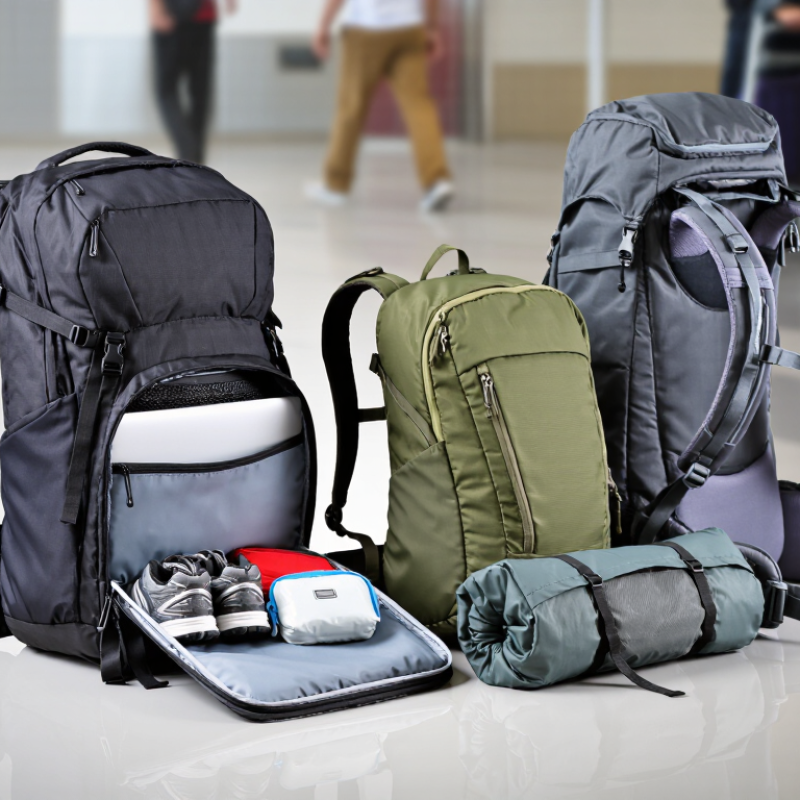
Comfort matters more than appearance. Wide, padded straps should sit flat without cutting into your shoulders. A supportive back panel can reduce pressure near the lower spine. Smooth zippers, reinforced stitching, and durable handles also deserve attention. Try loading the bag with real items, including shoes, a laptop, and a toiletry pouch. Then walk with it for ten minutes.
Small details matter.
Reliable buying decisions require more than attractive photographs or enthusiastic reviews. Compare warranty terms, return policies, user feedback, and manufacturer specifications. Some reviews overlook long-term wear, while others exaggerate minor problems. Reflect on your own habits, too. Do you overpack? Do you need quick access during security checks? The ideal Backpack Luggage should support your travel style, not dictate it.
Understanding Backpack Luggage Types and Travel Needs
Choosing backpack luggage starts with the trip, not the appearance. A two-day city break needs a compact travel backpack with a padded laptop sleeve, breathable straps, and quick-access pockets. A longer journey may require a larger hiking-style pack with a supportive hip belt. Hybrid wheeled backpacks suit travelers moving between airports, hotels, and uneven streets. They offer flexibility, but wheels and frames add weight.
The SITA Baggage IT Insights 2024 report recorded 6.9 mishandled bags per 1,000 passengers in 2023. That figure supports choosing a bag with strong zippers, protected seams, and a visible identification tag. I prefer separate compartments for clothing, electronics, and a small wash kit. It reduces unpacking at crowded security areas. Still, extra pockets can encourage overpacking. I have made that mistake.
Your travel needs should define capacity. Measure the packed bag, not its empty shell. Check airline cabin limits before departure, because dimensions and weight rules differ. The International Air Transport Association reports continued growth in passenger traffic, increasing pressure on airport spaces and overhead compartments. A narrow, flexible backpack can be easier to store than a rigid case. Look for adjustable shoulder straps, a sternum strap, and a back panel that leaves airflow. Test the loaded bag for ten minutes. If your shoulders ache quickly, the design is wrong for you.
Assessing Size, Capacity, and Weight
How to Choose the Best Backpack Luggage for Travel?
Size, capacity, and weight determine how comfortable a backpack feels after several hours. I usually start with the trip, not the bag. A weekend journey may need 25 to 35 liters, while longer travel often requires 40 to 50 liters. Check the airline’s current cabin measurements before packing. A backpack can look compact but still exceed the depth limit when full.
Capacity is not the same as usable space. A wide main compartment may hold less than expected if pockets waste room. Look for a suitcase-style opening, compression straps, and separate areas for shoes or damp clothing. Weight matters too. An empty bag weighing two kilograms can reduce your useful packing allowance. I once chose extra padding for comfort, then regretted carrying it through a crowded station. More structure is not always better.
Tips: Pack your heaviest items close to your back. Weigh the loaded bag at home. Leave 10 percent of the space unused. Test the shoulder straps with real clothing inside. If the backpack feels balanced, it may carry better than a larger model. Still, personal fit is easy to underestimate. A bag that suits one traveler may press sharply against another’s hips or shoulders.
Comparing Materials, Comfort, and Carrying Systems
Choosing backpack luggage starts with the material, but comfort decides whether you keep using it. High-denier nylon usually resists abrasion from airport floors and bus luggage racks. Polyester can cost less, yet its weave may feel stiffer. Check the fabric, seams, zippers, and base together. A strong shell cannot rescue weak stitching.
Comfort depends on contact points. The American Academy of Pediatrics recommends keeping a backpack below 10–15% of body weight. For a 70-kilogram traveler, that means roughly 7–10.5 kilograms. That range feels different after a six-hour station transfer. Look for padded shoulder straps, a breathable back panel, and a hip belt that actually reaches your hips. Load-heavy items should sit close to your spine. Small detail. Big difference.
Carrying systems also affect control. A sternum strap reduces shoulder movement, while a structured frame prevents the bag from collapsing when half full. I prefer testing luggage with a jacket, shoes, and a water bottle inside. Empty bags can deceive. The U.S. Department of Transportation’s 2023 Air Travel Consumer Report recorded 0.51 mishandled bags per 100 enplaned passengers among reporting carriers. That figure is not a backpack durability test, but it supports checking reinforced handles and protected corners. I still sometimes choose extra pockets over lighter weight. That is convenient, but not always wise. Dense packing can turn a comfortable bag into a hard, unstable load.
How to Choose the Best Backpack Luggage for Travel? - Comparing Materials, Comfort, and Carrying Systems
| Backpack Type | Typical Main Material | Approx. Empty Weight | Abrasion Resistance | Weather Protection | Back and Shoulder Comfort | Carrying System | Best Use | Main Limitation |
|---|---|---|---|---|---|---|---|---|
| Lightweight Travel Backpack | Ripstop nylon or polyester | 0.7–1.2 kg | Good; depends on fabric denier and weave | Moderate; water-resistant coating is common | Moderate; usually limited padding and ventilation | Padded shoulder straps, sternum strap, light hip belt | Short trips, budget airlines, urban travel | Less supportive for heavy loads |
| Travel Backpack with Frame | High-density polyester or nylon with aluminum or plastic frame stays | 1.3–2.0 kg | Very good | Good; coated fabric and covered zippers improve protection | Very good; frame transfers weight toward the hips | Adjustable harness, sternum strap, padded hip belt, load lifters | Longer journeys and heavier packing loads | Heavier and more expensive than frameless designs |
| Wheeled Backpack | Polyester or nylon body with reinforced base | 2.0–3.2 kg | Very good around the base and wheel housing | Good; construction quality varies by model | Good for carrying; excellent when rolled on smooth surfaces | Retractable handle, wheels, shoulder straps, basic sternum strap | Airports, train stations, and mixed rolling/carrying routes | Wheel and handle components add weight and reduce flexibility |
| Convertible Backpack Duffel | Coated polyester, nylon, or laminated fabric | 0.9–1.6 kg | Good to very good | Good; sealed or water-resistant zippers improve performance | Moderate; shoulder straps may be less structured | Stowable backpack straps, grab handles, removable shoulder strap | Flexible packing, weekend trips, and gym-to-travel use | Shape can become uncomfortable when overfilled |
| Structured Carry-On Backpack | Ballistic nylon, polyester, or molded panels | 1.4–2.4 kg | Very good | Good; structured panels protect contents but seams still need care | Good; padded back panel and shaped shoulder straps are common | Padded straps, sternum strap, luggage pass-through sleeve | Business travel and organized cabin packing | Rigid structure may reduce usable space and add bulk |
| Outdoor-Style Travel Pack | Durable nylon with reinforced panels | 1.2–2.2 kg | Excellent | Good to excellent with rain cover or waterproof construction | Excellent; ventilation and load adjustment are usually strong | Internal frame, adjustable torso length, hip belt, load lifters | Extended travel, uneven terrain, and carrying heavier loads | Outdoor features may be unnecessary for city-only travel |
Checking Security, Organization, and Weather Protection
Choosing backpack luggage for travel requires more than checking capacity. Security, organization, and weather protection determine how well it performs between crowded terminals and wet sidewalks. A secure backpack should have lockable zippers, discreet pockets, and strong attachment points. A zipper is not a vault. SITA’s 2024 Baggage IT Insights reported 6.9 mishandled bags per 1,000 passengers in 2023. Keep identification, medication, and travel documents in separate internal compartments, not loose near the opening.
Organization reduces hurried unpacking. In repeated packing tests, a clamshell design made chargers, clothing, and toiletries easier to reach. Compression straps should hold soft items firmly without crushing fragile electronics. A padded laptop sleeve is useful, but its stitching matters more than its appearance. I still pack too many cables. That is my recurring mistake. IATA’s 2024 Global Passenger Survey found that about 70% of travelers support biometric identification when it improves the journey, yet physical document storage remains essential during disruptions.
Weather protection needs honest labeling. Water-resistant fabric can handle light rain, but it may fail during a long downpour. Look for coated materials, covered zippers, reinforced seams, and a removable rain cover. The World Meteorological Organization’s State of the Global Climate 2023 reported increasing climate pressure and more disruptive weather patterns across many regions. Test the backpack under a shower before traveling. Leave it damp overnight. Any musty smell reveals weak ventilation or poor drying design.
How to Choose the Best Backpack Luggage for Travel?
Checking security, organization, and weather protection
Suggested checklist weighting
Security and organization receive the highest weighting because they directly affect access control, packing efficiency, and daily usability. Weather protection is also important, especially when traveling through rain or changing climates. Use these percentages as a practical comparison framework rather than as brand performance claims.
Balancing Features, Durability, and Overall Value
How to Choose the Best Backpack Luggage for Travel?
A practical backpack suitcase should balance comfort, durability, and price. When I test one, I check shoulder-strap padding, back ventilation, zipper resistance, and handle stability. A fully packed bag should still sit close to the body. That detail matters on crowded trains and uneven sidewalks. My mistake was choosing extra compartments instead of stronger fabric. More pockets did not make the bag better.
Weight deserves careful attention. Every empty kilogram reduces useful packing capacity. SITA’s 2024 Baggage IT Insights report recorded 6.9 mishandled bags per 1,000 passengers in 2023. Travelers should therefore inspect seams, compression panels, and lockable closures. These features cannot prevent every problem, but they can reduce avoidable damage.
Ask for repair coverage and read its exclusions carefully. Marketing language can sound stronger than the actual policy.
Overall value is not the lowest price. It is the cost per reliable trip. A backpack with water-resistant fabric, replaceable wheels, and breathable straps may justify a higher purchase price. The International Air Transport Association’s 2024 Global Passenger Survey showed continued demand for smoother, more efficient airport journeys.
A compact design can support that goal, especially when it fits under a seat or in an overhead compartment. Still, airline limits differ. Measure the packed bag, not the empty one.
Related Posts
-
What is the Ultimate Guide to Choosing a Travel Rucksack for Your Adventures
-
Why Choosing the Right Backpack Manufacturers is Essential for Quality and Durability
-
Solutions for Smart and Stylish Backpack Luggage for Global Travelers
-

Top 10 Waterproof Backpacks for Every Adventure in 2026?
-
What Are the 2026 Top Rucksack Backpack Trends?
-
5 Essential Tips for Choosing the Perfect Backpack Suitcase