
How to Choose Recyclable Packaging Bags
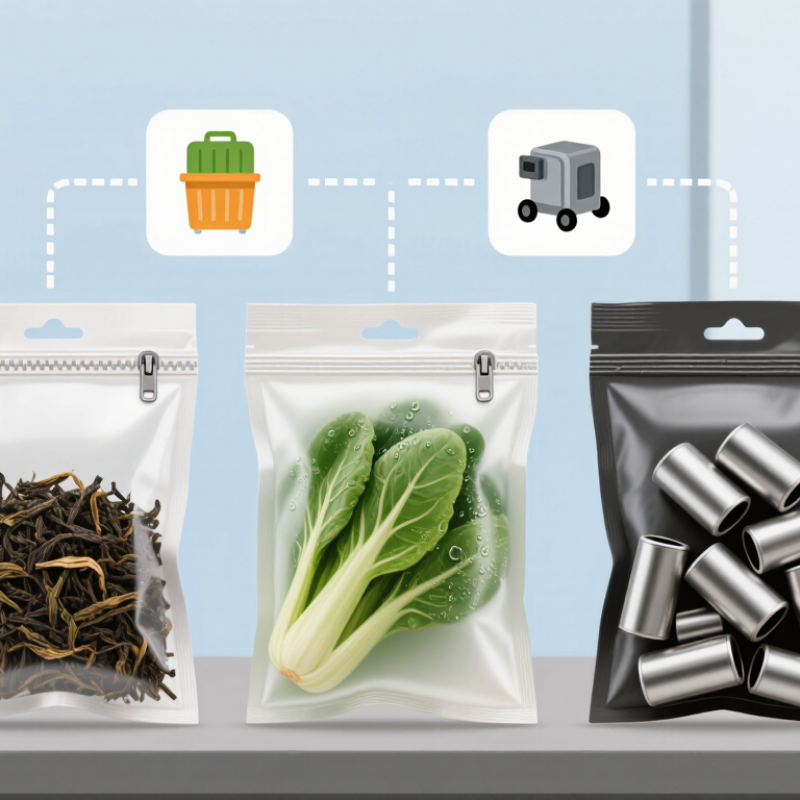
Packaging choices affect product protection, shipping costs, and what happens after use. A Recyclable packaging bag can reduce disposal concerns only when its material, construction, and local collection systems work together. A label alone is not enough. For a practical choice, start with the product: its weight, moisture exposure, sharp edges, and expected shelf life. A pouch carrying dry tea faces different demands than a bag holding damp produce or small metal parts. Ask suppliers for material details, thickness, seal performance, and test results, rather than relying on appearance. Thin, flexible film may look simple, but mixed layers, coatings, zippers, or inks can complicate sorting. Small details matter.
Then check what nearby recycling programs actually accept. Rules differ by place, and flexible packaging is not collected everywhere. Confirm accepted materials and drop-off options with local providers; do not assume curbside service. Compare the full package, including labels, closures, and adhesives. A clear supplier specification is useful, but verify it against your intended use and available recovery route. If possible, trial the bag with real products: fill it, stack it, ship it, and inspect the seals after handling. A package that fails early may waste product and material. There are trade-offs. Stronger film can improve protection, yet excess material may undermine the goal. The best choice is usually a measured one, supported by evidence and reviewed when collection options or product needs change. Some answers remain uncertain; record those gaps instead of presenting recyclability as guaranteed.
Define Recyclable Packaging Bags and Their Common Materials
Recyclable packaging bags are bags that can be collected, sorted, and processed into usable material by an established recycling system. A recyclable symbol alone does not guarantee that a local facility accepts the bag. Collection rules vary, and thin films may need a separate drop-off point. That distinction matters.
Common materials include polyethylene (PE), polypropylene (PP), and paper. Bags made from one type of plastic are generally easier to sort than structures combining plastic, foil, and adhesive layers. Multi-layer bags can protect food well, but their layers may be difficult to separate. Paper bags are often recyclable when clean and uncoated; plastic windows or heavy coatings can complicate processing. A neat label can still leave questions.
Tips: Check the bag’s material information and your local recycling guidance before choosing it. Prefer clearly identified, single-material designs when they meet your product’s needs. Keep bags dry and free from food residue. Check locally. Recyclability is only one factor; a lighter bag that prevents damage may sometimes reduce waste, though that trade-off deserves a closer look.
How to Choose Recyclable Packaging Bags - Define Recyclable Packaging Bags and Their Common Materials
| Material or Bag Type | What It Is | Typical Recyclability | What to Check Before Choosing |
|---|---|---|---|
| Recyclable packaging bag | A bag designed to be collected, sorted, and processed into usable material through an available recycling system. | Recyclability depends on the bag’s composition, local collection rules, sorting equipment, and access to a suitable processing facility. | Look for clear, region-specific disposal instructions. A recycling symbol or resin identification code alone does not guarantee that a bag is accepted locally. |
| Mono-material polyethylene (PE) LDPE or HDPE | A flexible bag made primarily from one type of polyethylene, sometimes with compatible inks, adhesives, or barrier layers. | Some clean PE film is collected through store drop-off or other designated film-recycling programs. Acceptance varies by location; curbside programs often do not accept flexible films. | Confirm that the whole structure—not just the main layer—is compatible with the intended recycling stream. Check local rules for food residue, labels, and drop-off locations. |
| Mono-material polypropylene (PP) | A flexible bag made primarily from polypropylene, including certain oriented or cast PP film formats. | Recycling access for flexible PP bags is limited and varies by market. Do not assume that rigid PP container collection also accepts flexible packaging. | Ask whether a local facility accepts flexible PP film and whether the bag’s coatings, inks, closures, and other components are compatible. |
| Paper bags | Bags made mainly from paper fibers, with possible coatings, windows, handles, or barrier layers. | Uncoated paper bags are commonly recyclable where paper is accepted. Plastic laminations, certain coatings, and food contamination can affect acceptance. | Check local paper-recycling guidance. Separate components when required, and keep the bag clean and dry where the collection program requires it. |
| Multi-layer flexible laminates | Bags combining different materials—often plastics, aluminum foil, or paper—to provide barriers against moisture, oxygen, or light. | Many conventional mixed-material laminates are not accepted in standard recycling streams because their layers are difficult to separate. Specialized programs may exist in some areas. | Choose a recyclable design only when a compatible collection and processing route is available. Ask for evidence covering the complete package structure. |
| Compostable bags | Bags designed to break down under specified composting conditions; they may be made from bio-based or fossil-based polymers. | Compostable does not mean recyclable. These bags generally require an accepted industrial or home composting route, depending on their certification and local facilities. | Verify the applicable certification and whether a suitable composting service accepts the bag. Keep compostable packaging out of recycling streams unless local guidance says otherwise. |
Selection tip: Choose the simplest material structure that meets product-protection needs, then verify its collection and processing route in the market where the bag will be discarded.