
What is Rotational Molding and How Does it Work?
Rotational Molding is a fascinating manufacturing process widely used in producing plastic products. This technique involves heating plastic powder in a mold. The mold rotates, allowing the material to coat its interior evenly. The result is hollow, seamless items with a sturdy structure. Many industries benefit from rotational molding. It creates everything from toys to large automotive parts.
One unique advantage of rotational molding is its versatility. Manufacturers can experiment with various shapes and sizes. However, the learning curve can be steep. Achieving the perfect balance between temperature and rotation speed requires experience. This trial-and-error aspect can be frustrating but essential for mastering the process.
While some manufacturers find success with rotational molding, others may struggle. Factors such as material selection and mold design play critical roles. It’s not uncommon for companies to reflect on their failures or difficulties. Understanding these challenges can ultimately lead to improved methods and innovations in rotational molding.
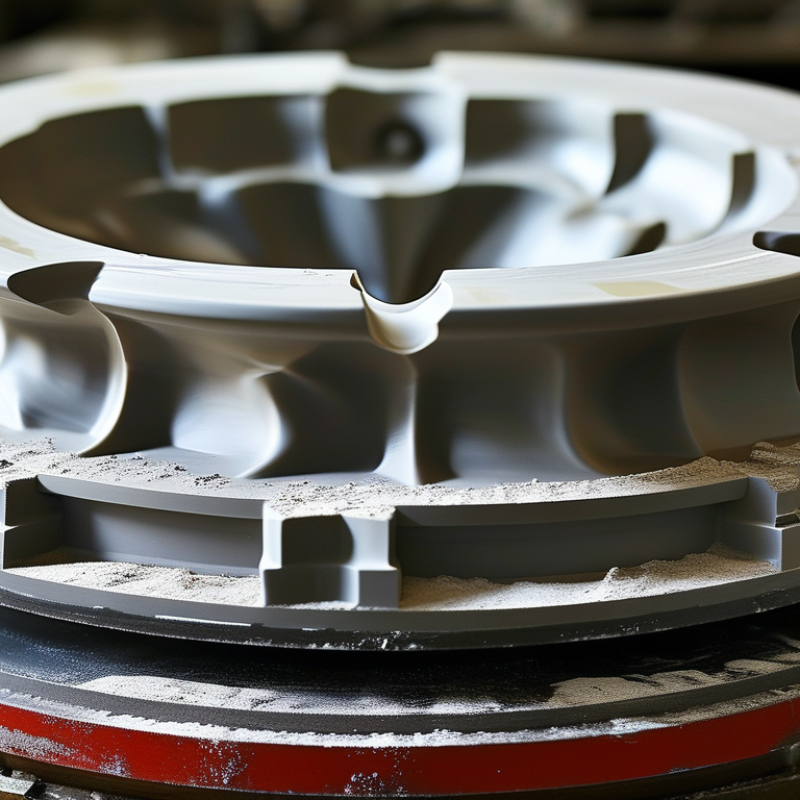
What is Rotational Molding?
Rotational molding is a widely used manufacturing process for creating hollow plastic products. It involves heating a plastic material in a mold and rotating it along two axes. This method allows for an even distribution of the material, which results in durable and seamless products. The industry expects rotational molding to grow at a CAGR of 6.1% from 2021 to 2028, according to recent market reports.
This manufacturing technique is particularly favored for making containers, kayaks, and custom parts. The process's simplicity and versatility are major benefits. However, achieving precision in wall thickness can be challenging. Inconsistent rotation or uneven heating may lead to defects. Manufacturers must invest in high-quality molds and maintain strict quality control to minimize these issues.
Tips: Always conduct thorough testing during production. Small variations can impact the final product. Regular maintenance of molds will help prevent costly errors. Additionally, ensuring proper heat distribution during the molding process is crucial. Keep refining your techniques to improve consistency. Understanding the limitations of this method can drive innovation and better outcomes in product design.
Rotational Molding Production Statistics
The History and Evolution of Rotational Molding
The history of rotational molding dates back to the mid-20th century. Its roots can be traced to the 1940s when it was initially used for creating hollow plastic products. Over time, this method evolved significantly. In the 1960s, advancements in materials and machinery refined the process, allowing for greater precision and efficiency. By the 1980s, rotational molding gained recognition as a viable production method in various industries, especially in manufacturing large, complex parts.
According to a report by MarketsandMarkets, the rotational molding market is expected to grow to $6.8 billion by 2026. This growth reflects its increasing application across sectors like automotive, toys, and industrial equipment. One of the key advantages of rotational molding is its ability to produce seamless, double-walled products with excellent insulation properties. However, challenges remain. Companies face limitations in material choices and design complexities. These factors can hinder optimization in some applications.
Despite the challenges, rotational molding continues to evolve. Innovations in resin technology and equipment design are enhancing its capabilities. The ongoing trend towards sustainability also pushes the industry to explore alternative materials and eco-friendly practices. As the market matures, the focus will likely shift towards improving cost efficiency and reducing lead times, encouraging further investment in this versatile manufacturing technique.
What is Rotational Molding and How Does it Work? - The History and Evolution of Rotational Molding
| Dimension | Details |
|---|---|
| Definition | Rotational molding is a manufacturing process for producing hollow plastic parts by heating a mold filled with plastic powders, which then rotates to distribute the material evenly. |
| History | The process dates back to the 1940s when it was first introduced for creating lightweight parts for various applications. |
| Materials Used | Commonly used materials include polyethylene, polyvinyl chloride (PVC), and nylon. |
| Advantages | Cost-effective for low-volume production, ability to create complex shapes, excellent surface finishes, and uniform wall thickness. |
| Applications | Used in industries such as toy manufacturing, automotive components, and outdoor equipment. |
| Evolution | The process has evolved with advancements in technology, leading to faster production times and improved material properties. |
The Rotational Molding Process: Step-by-Step
Rotational molding is a manufacturing process that creates hollow parts from plastic. The process involves several key steps that ensure high-quality products. The first step is loading the mold with a precise amount of resin powder. This is crucial, as too much or too little material can affect the final product's strength and finish. Industry reports indicate that maintaining consistent resin levels can enhance output by up to 20%.
After loading, the mold is heated and rotated on multiple axes. This rotation ensures that the resin evenly coats the inner walls of the mold. During this phase, the material melts and conforms perfectly to the mold's shape. It is important to monitor temperatures closely. Deviations can lead to incomplete melting or overheating, which compromises durability. Quality control is essential, as 10% of molded parts can be rejected due to such issues.
Following cooling, the mold is opened, and the finished product is demolded. This process must be done carefully to avoid damaging the item. Some manufacturers face difficulty at this stage, as parts may stick to the mold. The efficiency of this entire process relies on experience and precision. Comprehensive data shows that refining each step can reduce production times by an impressive 15%, allowing for better resource allocation. Each step offers opportunities for improvement, reflecting the continuous learning within the industry.
Materials Used in Rotational Molding
Rotational molding is a versatile manufacturing process widely used to create hollow plastic parts. The choice of materials is crucial for producing durable and high-quality products. Polyethylene is the most common material used in rotational molding. It offers excellent impact resistance and is relatively inexpensive. Its flexibility allows for the creation of intricate shapes.
Another material frequently utilized is nylon. It is known for its strength and high-temperature resistance. However, nylon can be more challenging to process due to its high melting point. Manufacturers often find that balancing between durability and processing difficulty requires careful planning and testing. Other materials, like PVC and polypropylene, are also used but may not offer the same level of flexibility or strength.
While the benefits of various materials are clear, each has its limitations. For instance, while polyethylene is cost-effective, it may not withstand extreme temperatures. Conversely, nylon's strength can be compromised if not sourced from reliable suppliers. Evaluating material properties and understanding their behavior during the molding process is essential for achieving the desired outcome. This ongoing learning curve is vital for improving production methods and product quality.
Applications and Industries Using Rotational Molding
Rotational molding is popular across various sectors due to its versatility. It creates hollow, seamless objects, making it ideal for industries needing lightweight and durable products. One prominent application is in the automotive sector, where parts like fuel tanks and interior components are crafted. These components benefit from the durability and design flexibility offered by rotational molding.
In the recreational industry, products such as kayaks and playground equipment come to life through this method. The seamless design reduces the risk of water accumulation and wear, enhancing safety and usability. Additionally, the agricultural sector utilizes rotational molding for tanks and containers that store fertilizers and other materials. These tanks are not only sturdy but also resistant to corrosion, ensuring a longer lifespan.
While there are many advantages, challenges exist in achieving perfect finishes. Sometimes, the surface may show imperfections, such as bumps or uneven textures. These flaws can require additional finishing processes, increasing production time and costs. Reflecting on these aspects allows manufacturers to innovate and optimize their techniques for better results.