Why Choose a Small Rucksack for Travel and Business?

Choosing the right Small Rucksack can change how a travel day feels. A compact bag keeps essentials close without creating unnecessary weight. It can hold a passport, tablet, charger, water bottle, notebook, and light jacket. On a crowded train, its narrow shape moves more easily than a large suitcase. At a client meeting, it can look practical rather than excessive.

Rick Steves, a respected travel expert and founder of Rick Steves’ Europe, often expresses the principle simply: “Pack light and pack smart.” His advice reflects years of carrying luggage through airports, hotels, and unfamiliar streets. A well-designed Small Rucksack should distribute weight evenly, protect electronics, and provide quick access to documents. Padded shoulder straps matter after several hours of walking. Breathable back panels help during warm commutes. Water-resistant fabric can protect a laptop from a short shower, although it is not a substitute for a rain cover.

Small details matter.

This article will explore why compact rucksacks suit both business travel and personal trips. It will consider organization, comfort, durability, security, and professional appearance. A Small Rucksack is not perfect for every journey. Heavy winter clothing may quickly fill it. Some travelers may also prefer wheels for long airport transfers. That limitation deserves honest attention. Still, for short trips, daily commuting, and flexible business travel, a smaller bag can encourage better packing habits. The real benefit is not simply reduced size. It is greater control over what you carry, where you place it, and how freely you move.
Why Choose a Small Rucksack for Travel and Business?

What Defines a Small Rucksack for Travel and Business?

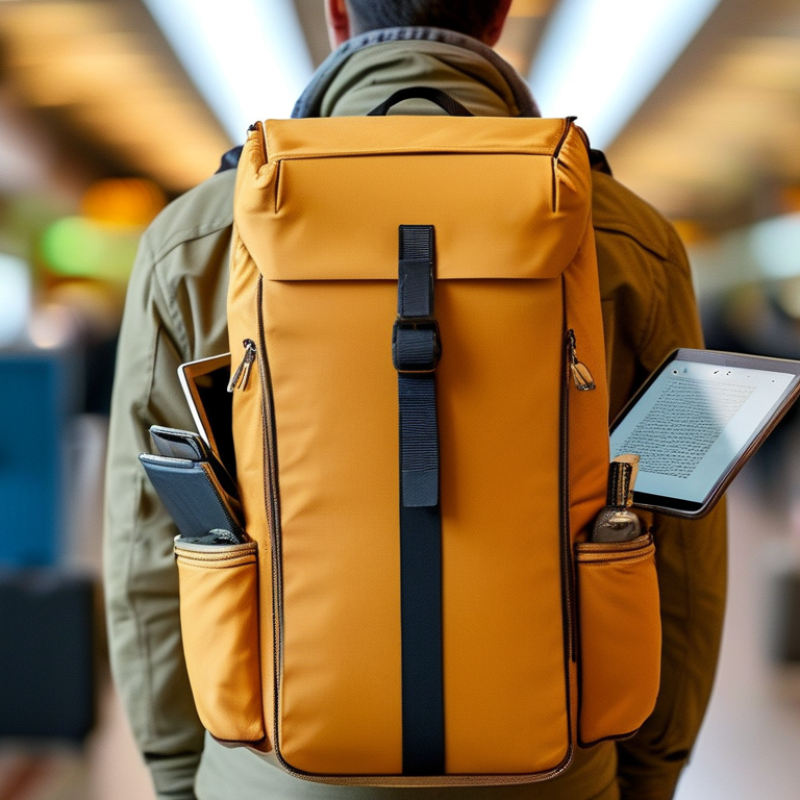
A small rucksack for travel and business is defined by proportion, not a single measurement. In my packing tests, 15 to 25 liters usually holds a laptop, charger, notebook, water bottle, and light layer. The fit matters more than the number. It should sit close to the back without pressing the shoulders. Padded shoulder straps, a breathable back panel, and a stable chest strap improve comfort during station walks. Too much padding, however, can waste useful space. That trade-off is easy to miss.

For work trips, organization separates a practical rucksack from a casual day bag. A protected laptop sleeve should keep electronics away from keys and damp clothing. Small internal pockets prevent cables from becoming a tangled pocketful. A wide opening makes security checks and hotel packing less frustrating. Water-resistant fabric and covered zippers offer sensible protection, but they cannot guarantee safety in heavy rain. I once trusted a “weatherproof” bag during a long downpour. The outer fabric survived, while a paper document did not. That mistake changed my packing routine. I now use a slim document folder and keep essentials in reachable, closed compartments. A luggage pass-through can help in airports, although it adds weight and may reduce back support. A useful small rucksack leaves enough room for essentials without becoming an awkward burden.

How Compact Design Improves Mobility and Convenience

A small rucksack can change the rhythm of travel. In crowded stations, its narrow profile slips between shoulders, seats, and doorways. I have found that compact luggage makes walking feel less planned and more natural. A close-fitting back panel also reduces swinging when climbing stairs or boarding a bus. This matters during business trips, when every minute and movement count. Less bulk helps.

Compact design improves convenience through simple organization. A padded sleeve can protect a laptop, while smaller pockets keep cables, cards, and a notebook visible. The best layouts place heavy items close to the back, reducing shoulder strain. Adjustable straps matter too, especially after several hours of walking. A water-resistant outer fabric offers useful protection during a sudden shower, though it should not be treated as fully waterproof. That distinction is easy to forget.

There is a practical limit to small storage. A rucksack that fits under a seat may not hold formal shoes, documents, and spare clothing comfortably. I sometimes remove items twice before leaving, which feels inefficient but prevents overpacking. Choosing lighter essentials can improve posture and make transfers faster. Still, compact bags are not perfect for every itinerary. Their value appears when mobility, quick access, and controlled weight matter more than carrying everything.

Key Features to Consider When Choosing a Small Rucksack

A small rucksack can make travel and business days feel lighter. It keeps essentials close without the bulk of a large bag. From my own commuting experience, the best choice starts with fit, not appearance. The shoulder straps should sit comfortably, while the back panel should allow airflow. A sternum strap helps during long walks between stations or airport gates. Small details matter.

Look for practical capacity for a tablet, notebook, charger, water bottle, and light jacket. Check separate compartments for documents and electronics. A padded sleeve offers useful protection, but padding alone is not a guarantee. Choose durable, water-resistant fabric and smooth zippers that open easily. The rucksack should stand upright during meetings or crowded train rides. I once chose a stylish bag with weak stitching. It looked good but aged quickly. That mistake still influences my buying decisions.

Tips: Measure your device before buying. Test the empty bag, then load it with daily items. Notice pressure points. Keep heavier objects close to your back, and avoid filling every pocket. A luggage sleeve can help business travel, though it may add weight. Read the care instructions and check the return policy before purchasing. A small rucksack is not automatically better. If it cannot carry your essentials comfortably, its compact size becomes a daily annoyance.

Comparing Small Rucksacks with Traditional Business Bags

A small rucksack often handles travel and business better than a traditional business bag. It keeps both shoulders engaged, which can reduce strain during long terminal walks. In a practical two-day trip, it held a laptop, charger, notebook, water bottle, and one shirt. The narrow profile also moved easily under a train seat. It felt less formal, though.

The comparison becomes clearer when business travel includes constant movement. The Global Business Travel Association’s 2024 Business Travel Index forecasts worldwide business travel spending at $1.48 trillion in 2024. Many professionals now work across airports, cafés, and shared offices. A rucksack leaves both hands free for tickets, phones, and luggage handles. Traditional bags still offer faster document access and a more polished meeting-room appearance. That advantage matters.

Packing discipline is essential. Very small compartments can make cables difficult to find. Some rucksacks also lack firm structure, so a laptop may press against clothing. Airline cabin rules vary, and the International Air Transport Association advises checking each carrier’s limits. SITA’s 2023 Passenger IT Insights report found that 68% of passengers used smartphones throughout their journey, making quick access to devices increasingly practical. I still prefer a slim document pouch inside the rucksack. It is not perfect. The best choice depends on posture, dress expectations, and how much equipment the day demands.

Practical Tips for Using a Small Rucksack on Every Trip

I have used a small rucksack for short business trips and weekend travel. It keeps both hands free in crowded stations and narrow airport aisles. A compact bag also discourages overpacking, although that lesson can feel uncomfortable. Before leaving, I check the weather, meeting requirements, and transport plans. This prevents carrying three shirts for one overnight stay.

Tips:

Pack by function, not by habit. Place a lightweight shirt, trousers, and underwear in separate pouches. Keep chargers in one small compartment. Store documents in a waterproof sleeve. Put heavier items close to your back, which improves balance and reduces shoulder strain. Leave a little space for water or unexpected purchases.

Tips:

Prepare the rucksack for movement. A padded section can protect a laptop, but never trust padding alone. Use a simple cover during heavy rain. Keep identification and travel documents accessible, but not exposed. At a meeting, remove the rucksack before sitting and check that loose straps cannot catch on chairs. I sometimes carry too many “useful” items, such as spare cables and notebooks. Most remain untouched. A small rucksack works best when every item earns its space, even if the packing process is not perfect.