What Is a Small Travel Backpack Used For?

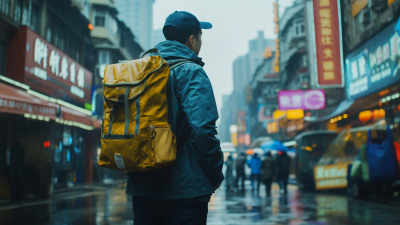
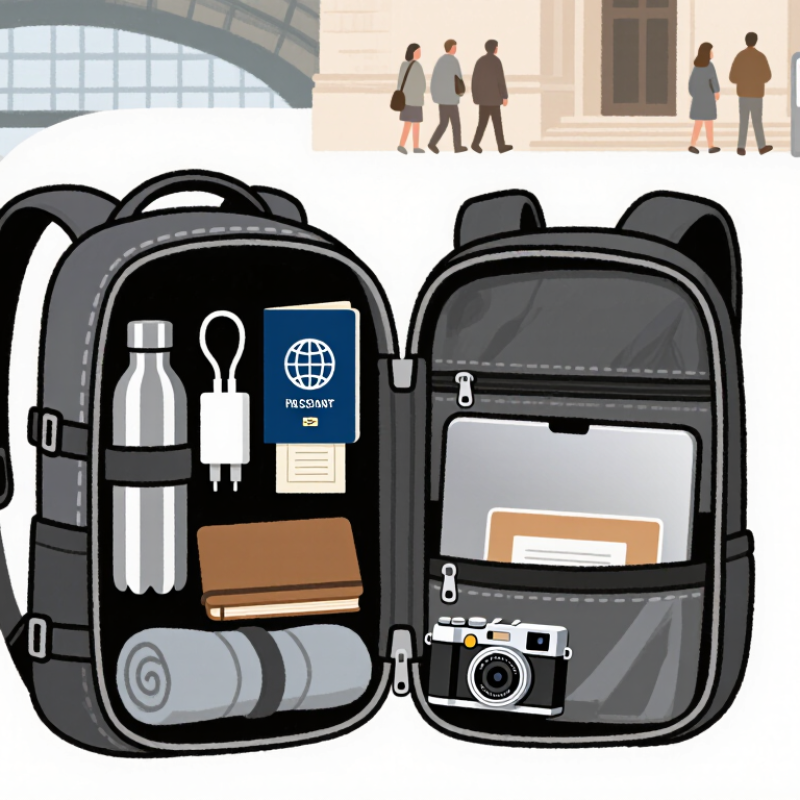
A Small Travel Backpack is designed for movement, not endless storage. It carries daily essentials while keeping both hands free. Think of a train platform, a narrow hostel locker, or a crowded museum entrance. In these settings, compact luggage can reduce friction. It usually holds a water bottle, passport, phone charger, light jacket, notebook, and compact camera. Some models also include padded laptop sleeves and hidden document pockets.

The demand for practical travel gear is growing with global mobility. UN Tourism recorded about 1.4 billion international tourist arrivals in 2024, nearly returning to pre-pandemic levels. IATA expects global air passenger demand to keep rising through 2025 and beyond. These figures do not measure Small Travel Backpack sales directly. However, they show why flexible, lightweight carry solutions matter. Euromonitor International also identifies convenience and portability as important themes in travel retail. A smaller bag fits that shift, especially for short trips and urban exploration.

Travel writer Rick Steves often advises travelers to “pack light.” The idea sounds simple. Applying it is harder. A smaller backpack can encourage better choices, but it cannot solve poor planning. Heavy electronics, unsuitable straps, or weak weather protection may quickly create discomfort. My own experience supports a cautious view: a compact bag feels liberating during a three-day city break, yet restrictive on a long outdoor journey. This guide examines what a Small Travel Backpack is used for, where it performs well, and when a larger, more supportive pack makes better sense.
What Is a Small Travel Backpack Used For?

What Defines a Small Travel Backpack?

What Is a Small Travel Backpack Used For?

What Defines a Small Travel Backpack?

A small travel backpack is usually compact, lightweight, and easy to carry through busy places. Most hold about 15 to 25 liters, though capacity varies by design. Its size supports day trips, short commutes, and minimalist overnight travel. A useful pack should fit a water bottle, light jacket, wallet, phone, and basic toiletries. It should not feel like a soft suitcase.

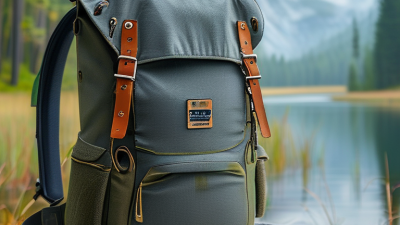
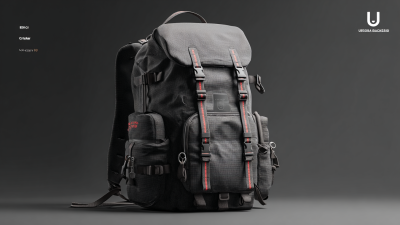
Comfort defines it as much as capacity. Padded shoulder straps, a breathable back panel, and balanced weight reduce strain during long walks. Multiple compartments help separate cables, documents, snacks, and clothing. Durable fabric and reliable zippers matter when the bag rests under a train seat or brushes against rough walls. However, “travel ready” does not mean indestructible. Check the stitching and zipper movement before relying on it.

Tips: Pack heavy items close to your back. Use small pouches for loose essentials. Leave some empty space. It helps when plans change.

I have found that a small backpack encourages better decisions. Still, I often pack one extra shirt and regret it later. A compact design may limit bulky shoes or winter layers. Airline personal-item rules also differ, so measure the loaded bag before flying. The best choice matches your body, trip length, and packing habits—not only its advertised volume.

What Can a Small Travel Backpack Carry?

A small travel backpack is designed to hold the items you need close, not everything you own. A practical 15–25-liter model can carry a tablet, compact camera, passport, power bank, headphones, water bottle, light jacket, and basic toiletries. Each item should earn its space. Otherwise, the bag becomes uncomfortable quickly.

IATA recommends a cabin bag size of 56 × 45 × 25 centimeters, although airlines set their own limits. A smaller backpack often fits beneath a seat more easily, making it useful for short flights and crowded terminals. The U.S. Department of Transportation reported 0.51 mishandled bags per 100 enplaned passengers in 2023. Keeping essentials in a personal backpack can reduce dependence on checked luggage. That matters.

A useful packing test is simple. Place a folded shirt at the bottom, then add electronics in a padded sleeve. Keep documents in an exterior pocket, but avoid overfilling it. A small snack and refillable bottle can support a long transfer. Wet weather exposes weak zippers quickly, so water resistance deserves attention. I once underestimated how much space a compact jacket needed. That mistake still matters. Choose flexible clothing, remove duplicate chargers, and leave a little empty room for unexpected purchases.

How Is It Used During Different Types of Trips?

What Is a Small Travel Backpack Used For?

A small travel backpack adapts to the rhythm of each trip. During a weekend city break, it holds a water bottle, phone charger, light jacket, and folded map. Its compact shape keeps both hands free on crowded streets and public transport. UN Tourism reported 1.4 billion international tourist arrivals in 2024, nearly matching 2019 levels. That volume makes easy, organized carrying increasingly practical.

Business trips require a different setup. A padded laptop sleeve, notebook, identification documents, and compact toiletries support movement between stations, meetings, and hotels. IATA’s 2024 Global Passenger Survey found that 70% of travelers were willing to use biometric identification at airports. A smaller bag works well with faster airport procedures, but only when electronics remain easy to reach. I still overpack cables. That habit needs correction.

For hiking or rural travel, the same backpack can carry snacks, sunscreen, a basic first-aid kit, and a thin rain shell. Weight distribution matters more than appearance. Place heavier items close to the back, and keep water accessible. A day trip may demand less clothing but more weather protection. On family trips, the backpack often becomes a shared emergency drawer for wipes, tissues, and spare layers. It is useful, though rarely as light as planned.

What Features Support Everyday Travel?

A small travel backpack is designed for daily movement, not for carrying everything. It suits train rides, short walks, office commutes, and one-day city visits. Its compact size keeps essentials close without making the wearer feel overloaded. A useful design usually holds a water bottle, wallet, phone, light jacket, and small notebook. It should also leave enough room for items bought during the day.

Comfort matters most.

Padded shoulder straps reduce pressure during longer walks. An adjustable chest strap can improve stability when cycling or climbing stairs. A breathable back panel helps when the weather turns warm, although no fabric prevents sweating completely. I look for a separate laptop sleeve, secure interior pockets, and smooth zippers that work with one hand. Water-resistant material protects against light rain, but it should not be treated as fully waterproof. That distinction is easy to miss.

I once chose a bag with excellent storage but weak strap adjustment. After an hour, the load pulled against my shoulders. That experience changed how I judge backpacks: capacity is less important than balance. A strong top handle helps on crowded buses, while a luggage sleeve can steady the bag beside a rolling suitcase. Reflective details improve visibility near roads, though careful attention is still necessary. Simple features often support everyday travel better than complicated compartments.

How Should Travelers Choose and Use One?

A small travel backpack is designed for controlled, everyday mobility. It can hold a passport, phone, charger, water bottle, medication, and a light jacket. Travelers use it as a personal item, day bag, or compact work bag. Its value is not maximum capacity. It is quick access. SITA’s 2024 Passenger IT Insights report found that 70% of passengers used smartphones throughout their journey, so a backpack should keep devices reachable and protected. Travelers should also check each airline’s personal-item limits before flying. Measurements differ, and a “small” bag is not always accepted.

Choose a backpack by trip length, body fit, and access style. A capacity of about 15–25 liters suits short city trips and one-day excursions. Look for padded shoulder straps, breathable back panels, secure zippers, and a separate laptop sleeve. Water-resistant fabric helps during a sudden street shower, but it is not the same as waterproof construction. Pack heavy items close to your back. Keep documents in an internal pocket. IATA’s 2024 Global Passenger Survey highlights growing interest in smoother, self-service travel, which makes organized packing even more useful. Still, I sometimes overpack cables. That habit wastes space.

Tips: Test the loaded bag for ten minutes before departure. Walk upstairs with it. Remove anything you will not use twice. Keep liquids sealed, and place essential medicine where you can reach it quickly. A backpack should feel stable, not impressive.