Top Backpack Manufacturers in China for Global Buyers?

In recent years, the demand for backpacks has surged globally, driven by lifestyle changes and urbanization. According to a report by Grand View Research, the global backpack market size was valued at USD 15.57 billion in 2020 and is expected to expand at a compound annual growth rate (CAGR) of 5.0% from 2021 to 2028. This growth has led many global buyers to seek out reliable backpack manufacturers in China, a country known for its robust manufacturing capabilities.

China plays a pivotal role in the backpack industry. Over 60% of the world's backpacks are produced in the country. Manufacturers are equipped with advanced technology and skilled labor, ensuring products meet international quality standards. Brands such as Eastpak and JanSport often utilize Chinese manufacturers to lower production costs while maintaining quality. However, some challenges persist. Quality control remains a significant concern for buyers. Not all manufacturers meet stringent quality criteria, which can lead to inconsistencies in products.

In navigating the landscape of backpack manufacturers, it becomes essential for global buyers to conduct due diligence. Researching potential suppliers and understanding market trends is crucial. By focusing on reputable manufacturers, buyers can secure reliable partnerships while contributing to sustainable practices in the industry.
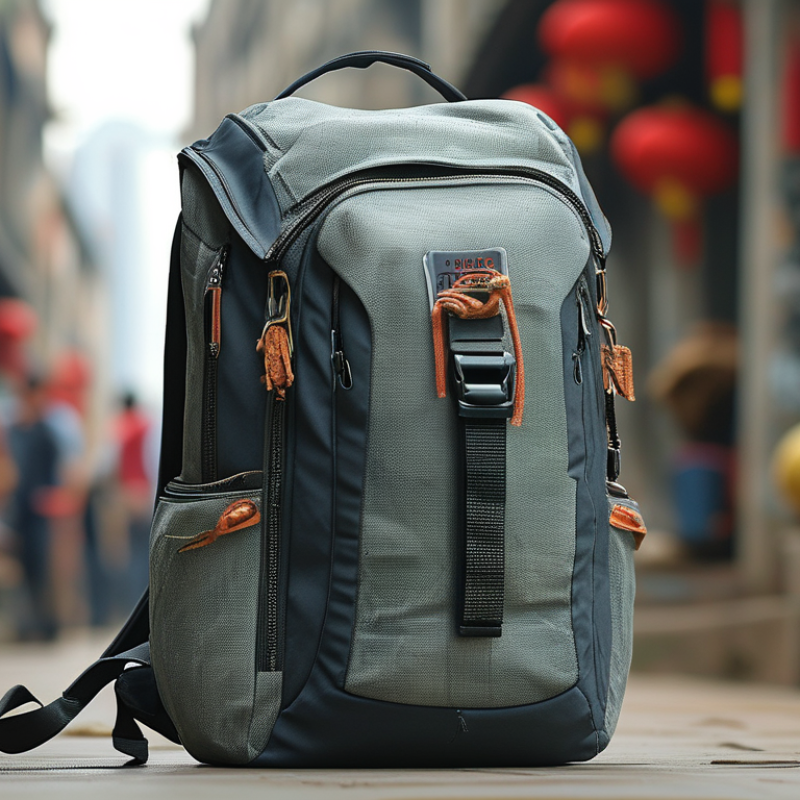
Top Backpack Manufacturers in China for Global Buyers?

Overview of the Backpack Manufacturing Industry in China

The backpack manufacturing industry in China has seen significant growth. China is now a leading hub for affordable, quality backpacks. Many global buyers look to Chinese manufacturers for a wide range of options, from casual to specialized backpacks. This trend reflects China's well-established supply chains and skilled workforce.

However, not all manufacturers provide the same quality. A lack of standardized practices can lead to inconsistencies. Inspecting production processes helps ensure that products meet desired specifications. Buyers should request samples to evaluate craftsmanship before placing large orders.

When choosing a manufacturer, consider their production capacity and flexibility. Some companies may struggle to scale production effectively. Good communication is vital for aligning expectations. Establishing clear guidelines helps prevent misunderstandings. Engaging directly with manufacturers allows for better oversight and quality assurance.

Key Features of Leading Chinese Backpack Manufacturers

China's backpack manufacturing industry has shown remarkable growth in recent years. According to industry reports, it accounted for over 30% of global production in 2022. This significant share highlights the country's capacity to meet diverse market demands. Notably, leading Chinese manufacturers focus on sustainable materials. Reports indicate that 70% of top firms are integrating eco-friendly practices in their production lines.

Innovative design is another hallmark of these manufacturers. They employ advanced technologies like 3D modeling and automated production processes. This not only enhances quality but also speeds up delivery times. Data from market analysis shows that manufacturers adopting such technologies have increased their operational efficiency by 25%.

However, challenges exist. Quality control remains a common issue among smaller manufacturers. Feedback from global buyers points out inconsistencies in product quality. These concerns emphasize the need for continuous improvement. Despite these obstacles, China's investment in workforce training is a promising step forward, reflecting a commitment to enhancing competency across the industry.

Top Backpack Manufacturers in China: Key Features Comparison

Top Factors Global Buyers Should Consider When Choosing Suppliers

When selecting a backpack manufacturer in China, various factors come into play. Quality control is paramount. Buyers should inquire about the manufacturer’s certifications and quality assurance processes. Regular audits can help ensure that products meet international standards. A knowledgeable supplier can provide insight into material selection, which directly impacts durability.

Another crucial aspect is communication. Clarity in communication fosters stronger partnerships. Buyers must assess the responsiveness of manufacturers. Delays in communication can lead to misunderstandings and ultimately, production issues. Language barriers can complicate things further. It’s better to work with manufacturers who have experience in dealing with international clients.

Price is often a primary consideration, but it shouldn't be the only one. A very low price might indicate compromised quality. Buyers should weigh costs against the features and quality offered. Understanding the full scope of potential extra charges is vital. This can reflect hidden costs that impact the final purchase price. Choosing a reputable supplier involves careful consideration of these factors to establish a successful long-term relationship.

Profile of Notable Backpack Manufacturers in China

China is a leading hub for backpack manufacturing, driven by an ever-increasing global demand. Industry reports indicate that the global backpack market is projected to reach $19.2 billion by 2025, with a CAGR of 4.4%. This growth reflects a rising interest in outdoor activities and travel, especially among millennials and Gen Z consumers.

Several notable manufacturers in China stand out for their expertise and quality. Many factories focus on eco-friendly materials, responding to global sustainability trends. In 2022, over 30% of backpacks produced in China utilized recycled materials, reflecting the industry's shift towards greener practices. Additionally, eastern China has become a pivotal production area due to its advanced logistics and skilled workforce.

While the landscape is competitive, challenges persist. Quality control remains a significant concern, with instances of inconsistent manufacturing standards across different suppliers. Some producers struggle to meet international safety regulations, prompting buyers to emphasize the importance of compliance. The industry is continually evolving, requiring manufacturers to adapt quickly to consumer preferences and market dynamics.

Top Backpack Manufacturers in China for Global Buyers

Manufacturer Location Year Established Annual Production Capacity Types of Backpacks Key Markets
Guangzhou 2005 1,000,000 units Sport, Casual North America, Europe
Shenzhen 2010 800,000 units Laptop, Travel Asia, Australia
Dongguan 2000 1,200,000 units Outdoor, Hydration Europe, Middle East
Ningbo 2015 500,000 units Fashion, School North America, South America
Hangzhou 2003 600,000 units Eco-friendly, Travel Asia, Africa

Emerging Trends in China's Backpack Manufacturing Sector

Emerging trends in China's backpack manufacturing sector reveal a dynamic landscape. Manufacturers are increasingly focusing on sustainability. Many companies are adopting eco-friendly materials to meet global demands. This shift is not only beneficial for the environment but also appeals to conscious consumers. Brands are exploring biodegradable fabrics and recycled components to create sturdy yet sustainable products.

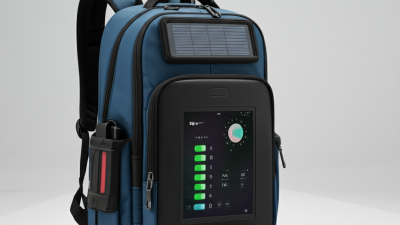
Innovation plays a crucial role as well. Tech integration in backpacks is becoming popular. Features like USB charging ports and smart compartments attract a tech-savvy audience. The design also evolves, with modular systems gaining traction. Consumers appreciate customization options that enhance functionality and style. However, this trend raises questions about how to balance innovation with affordability.

Labor practices within the sector also warrant attention. While many manufacturers aim for higher standards, inconsistencies still exist. Some factories struggle to maintain ethical work conditions amid rising production pressures. It's vital for global buyers to thoroughly vet suppliers. The commitment to ethical practices should align with the push for advanced manufacturing techniques. Manufacturers must reflect on these challenges to build a responsible and innovative future.