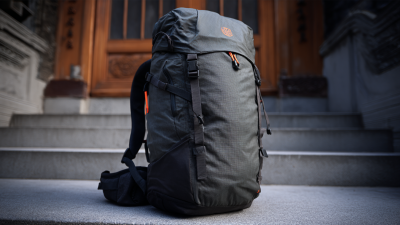
What Are the Top Types of Away Backpacks?
An Away Backpack can serve as a weekday work bag, a personal item for flights, or a compact companion for short trips. Those jobs call for different designs. A commuter may value a padded laptop sleeve and quick-access pockets, while a frequent traveler may prefer a trolley sleeve and a roomy main compartment. For outdoor use, lighter materials and comfortable straps can matter more than a polished office look.
Travel data helps explain why practical details deserve attention. SITA’s 2024 Baggage IT Insights report recorded 6.9 mishandled bags per 1,000 passengers worldwide in 2023. That figure concerns airline baggage, not backpack performance. It does not show that one bag design prevents travel problems. Still, it underscores the value of keeping essentials organized and close at hand, especially when plans change or connections feel rushed. Small details matter.
This guide compares the leading types of Away backpacks by their intended use, storage, comfort, and travel-friendly features. It looks at options for commuting, everyday carry, and weekend travel, while noting where their strengths may overlap. There is no perfect pick, and I would not pretend otherwise: the right choice depends on what you carry and how you move through a typical day. Product names, features, and availability can change, so check Away’s current specifications before buying. The aim is simple: help you match the bag to your routine, not just its photos.
Everyday Away Backpacks for Work and Commuting
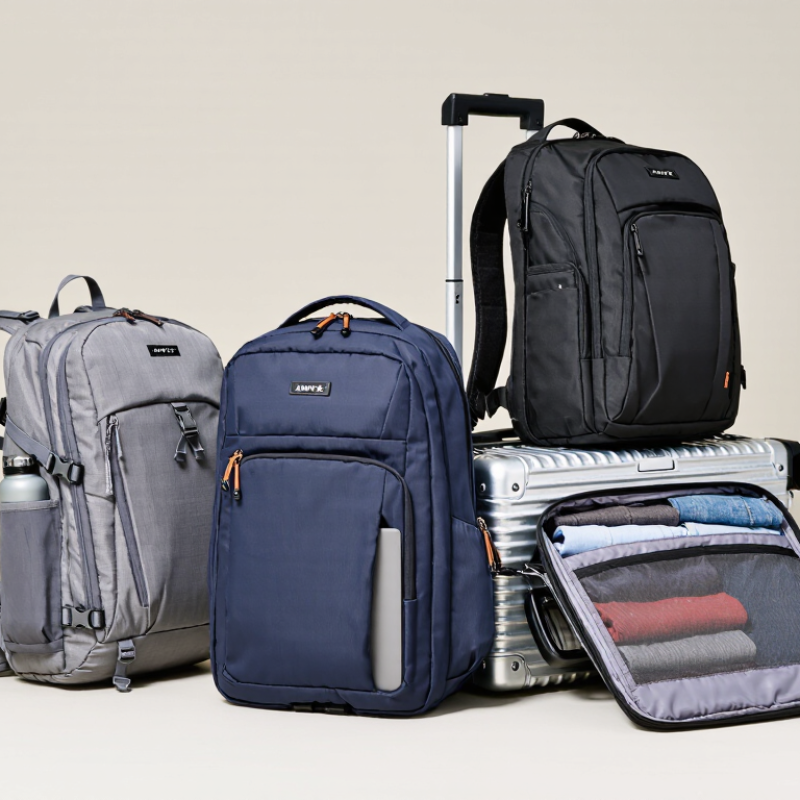
For work and commuting, a streamlined laptop backpack is often the easiest type to carry. A padded sleeve helps keep a computer separate from lunch, notebooks, and charging cables. Look for a stable base, smooth zippers, and straps that sit comfortably over a coat. Small details matter. A bag that stands upright is easier to pack beside a desk or on a train.
An expandable backpack offers more room for gym clothes or an extra layer on unpredictable days. That extra depth can be useful, but an overfilled bag may feel awkward in a crowded aisle. A lightweight, water-resistant style is another practical choice for walking between transit stops. Water resistance can help with light rain, though it does not make every bag waterproof.
The best everyday option depends on what you actually carry. Measure your laptop, then check the sleeve dimensions rather than relying on a general size label. Notice where the water bottle pocket sits; a bottle can press against your arm if the fit is poor. I tend to favor organization, then regret choosing too many pockets. Keep the layout simple, and leave a little space for the unexpected.
Travel Backpacks Designed for Carry-On Convenience
For travelers focused on carry-on convenience, the most useful backpack is not always the largest one. A compact travel backpack can fit beneath many airplane seats, depending on its shape and how full it is. Look for a wide opening that lets you see clothes and toiletries without unpacking everything. A padded laptop sleeve helps keep electronics separate from shoes or a damp jacket. Small details matter: sturdy zippers, comfortable straps, and a top pocket for items you reach for often.
Expandable backpacks offer extra room for the return trip, but that added space can tempt you to pack too much. A convertible backpack with grab handles may be easier to lift into an overhead bin, though handles can add bulk. Before choosing, compare the bag’s measurements with your airline’s current carry-on guidance; limits vary, and a soft bag can still become too full. I still overpack sometimes. More pockets do not solve that.
Tips: Pack heavier items close to your back for a steadier feel. Keep a light layer near the top. Test the bag at home with your usual travel load, then check whether it fits comfortably under a chair. A little less space can be useful.
Outdoor Backpacks for Active and Casual Use
Outdoor backpacks work best when they match the day, not just the trail. A compact daypack suits neighborhood walks, short hikes, and casual outings. It holds a water bottle, light jacket, snacks, and keys without feeling bulky. For longer routes, a hiking pack with a supportive hip belt and adjustable shoulder straps helps spread the load. A breathable back panel can also make warm-weather walks more comfortable.
Tips: Place heavier items close to your back, and test the straps with a loaded bag. Keep rain protection and a small first-aid kit easy to reach. Fit matters more than extra pockets. A bag that feels fine in a shop may rub after an hour, so walk around before deciding.
For active days that turn into errands, a versatile outdoor pack can bridge both uses. Choose durable fabric, secure zippers, and compartments that suit your routine. A laptop sleeve may help on casual days, but it can add weight you rarely need outdoors. It is easy to overpack “useful” extras and leave them untouched. Simpler can feel better, though it is not always the most exciting choice.
What Are the Top Types of Away Backpacks? - Outdoor Backpacks for Active and Casual Use
| Backpack Type | Typical Capacity | Best Suited For | Common Features | Things to Consider |
|---|---|---|---|---|
| Daypack | 15–30 L | Day hikes, commuting, and everyday errands | Main compartment, small organizer pockets, padded shoulder straps | Usually has limited space for bulky layers or overnight gear. |
| Hiking Backpack | 20–40 L | Long day hikes and outdoor activities | Adjustable harness, water-bottle pockets, compression straps, often a hydration sleeve | Fit and ventilation matter, especially on longer or warmer hikes. |
| Travel Backpack | 30–45 L | Weekend trips and carry-on-style travel | Panel-loading opening, packing compartments, grab handles, and sometimes a laptop sleeve | Check dimensions and packed weight against the carrier’s current baggage rules. |
| Commuter Backpack | 18–30 L | Work, school, and daily transit | Laptop compartment, document storage, quick-access pockets, and a streamlined shape | A padded laptop compartment adds protection but does not replace a protective device case. |
| Overnight Backpack | 35–55 L | One- or two-night trips and light overnight outings | Larger main compartment, supportive straps, and room for clothing and basic supplies | A loaded pack can feel heavy; distribute weight close to your back. |
| Hydration Backpack | 5–15 L, plus a water reservoir | Running, cycling, and short, fast-paced outings | Reservoir sleeve, drinking tube, close-fitting harness, and compact storage | Reservoir capacity varies; clean and dry it regularly according to its care instructions. |
| Lightweight Packable Backpack | 10–25 L | Casual walks, sightseeing, and use as a spare travel bag | Low-weight fabric, simple compartments, and a design that folds into a small pouch | Typically offers less structure and support than a framed hiking pack. |
Capacity ranges are approximate and vary by design. Choose a pack based on intended use, fit, load, and weather protection needs.
Convertible Backpacks for Flexible Carrying Options
Convertible backpacks are useful when one bag needs to move between a commute, a train platform, and a hotel lobby. They typically switch from backpack carry to tote or briefcase-style carry using grab handles and straps that tuck away. That flexibility matters. A bag that sits comfortably on both shoulders can feel awkward when carried by one handle, so test each mode with a realistic load.
Look closely at how the straps attach and stow. Padded shoulder straps help when you’re carrying a laptop, water bottle, and a change of clothes. A secure sleeve can keep a computer from shifting, while a wide opening makes it easier to find small items at the bottom. Check whether tucked straps stay out of the way; loose webbing can snag or bunch during airport security checks. Small details count.
Convertible designs do involve trade-offs. Extra handles and panels may add weight, and the bag may not feel as streamlined as a dedicated daypack. There is no perfect mode. Before choosing one, pack your usual essentials and walk around with the bag in each configuration. Notice pressure at the shoulders, access to your phone, and whether the contents stay balanced. A flexible carry option is only helpful if changing modes feels simple, not fiddly.
Convertible Backpacks: Carrying Options by Type
The values count the carrying modes named for each general design type, not sales or popularity. Convertible styles typically switch between two modes, while three-way designs add a third option.
How to Compare Away Backpack Capacity and Features
Compare backpack capacity by picturing what you carry, not by trusting a number alone. A compact commuter bag may hold a laptop, charger, water bottle, and light jacket, while a larger travel style can fit clothing for an overnight stay. Check the listed volume, but also look at the bag’s shape and opening. A narrow compartment may make bulky shoes awkward, even when the stated capacity seems generous. That matters.
Features should solve real packing problems. A padded laptop sleeve needs to fit your device snugly, and an exterior bottle pocket should hold a full bottle without tipping it out. Look for comfortable straps, a supportive back panel, and pockets you can reach while standing in a station queue. If you travel with a rolling suitcase, a pass-through sleeve may help; for daily commuting, it may add little value. Compare the empty weight, too, since extra structure can make a bag tiring before it is fully packed. I would not treat any feature list as proof of comfort. Try your usual load if possible, and notice what feels cramped. There is no perfect score.
Related Posts
-
The Ultimate Guide to Choosing the Perfect Backpack Travel Bag for Your Adventures
-
Setting the Benchmark for Quality in Best Rucksack Backpack Manufacturing
-

What is the Ultimate Guide to Choosing a Travel Rucksack for Your Adventures
-
5 Essential Tips for Choosing the Perfect Backpack Suitcase
-
What Is a Backpack and How Do You Choose the Right One?
-
Why Are Back Packs Essential for Global Buyers?