
What Is a Cup Paper Bowl Used For?
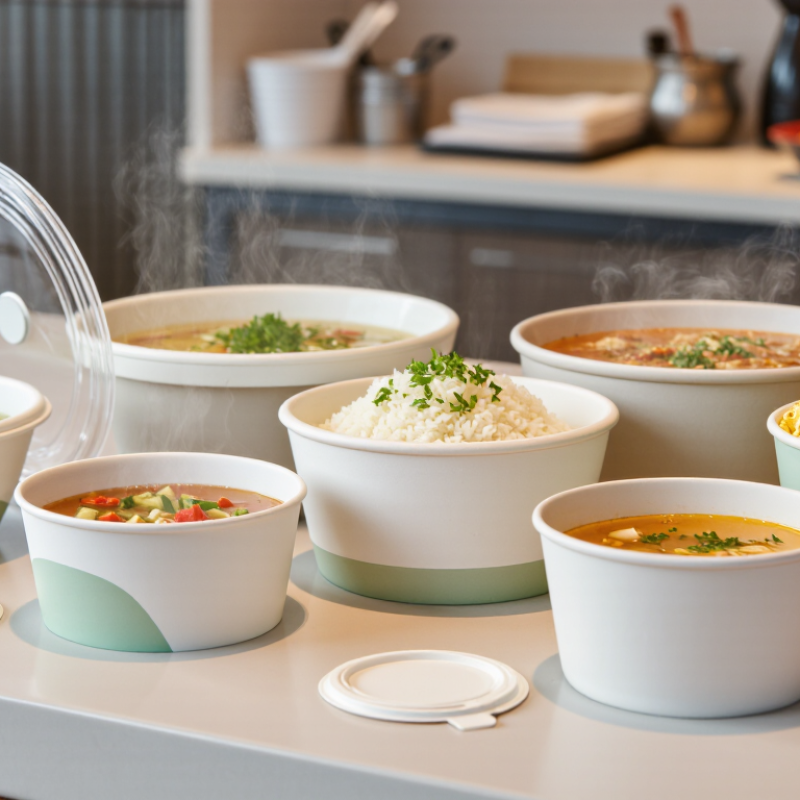
A Cup Paper Bowl is a lightweight serving container for foods that need more room than a cup provides. Picture a warm soup portion, a scoop of rice, or a handful of popcorn served at a counter. Its broad opening makes eating and adding toppings easier. The exact uses depend on the bowl’s size, construction, and lining.
Packaging specialist Maya Chen offers this illustrative comment, not a verified quotation: “A paper bowl works best when its shape, lining, and food are matched.” That is a useful way to think about it. A bowl made for dry snacks may not suit hot, wet food. Check the product specifications before choosing one for soup, sauces, or chilled desserts. Small details matter.
Cup Paper Bowl products are common at cafés, food stalls, events, and takeaway counters. They can help with quick serving and portioning. Some come with lids, which can reduce spills during short trips. Not every bowl is leakproof, though. Nor does “paper” automatically mean recyclable in every local collection system; food residue and coatings can affect disposal options. A practical choice considers the menu, serving temperature, handling time, and available waste facilities. There is no perfect container. The right one simply fits the job, with fewer unpleasant surprises.
What Defines a Cup Paper Bowl
What Is a Cup Paper Bowl Used For?
What Defines a Cup Paper Bowl
A cup paper bowl is a bowl-shaped food container made mainly from paperboard. Its raised sides, stable base, and rolled rim help hold foods such as soup, noodles, salad, or dessert. Unlike a flat plate, it can contain liquids and loose ingredients. The term is not always precise: some suppliers use it for deep paper bowls, while others mean a cup-shaped container. Check the dimensions and intended use, not just the label. A thin inner barrier may resist grease or moisture, but its material and performance vary.
That distinction matters. The U.S. Environmental Protection Agency’s 2018 Facts and Figures report estimated that 68.2% of all paper and paperboard generated in the United States was recycled. This broad category includes many products; it does not establish that used food bowls are recyclable in every local system. A bowl’s coating, food residue, and local collection rules can affect disposal options. In everyday service, the bowl is valued for easy handling and portioning, especially when customers eat on the move. Still, “paper” alone does not tell you whether a bowl suits hot food, a tight-fitting lid, or reheating. Check the product specifications.
What Is a Cup Paper Bowl Used For?
Paper cups are commonly used for serving drinks, while paper bowls hold foods such as soup, salad, and snacks. The chart shows example nominal sizes converted from US fluid ounces (1 US fl oz ≈ 29.57 mL). Actual capacities vary by product.
Foods and Portions Commonly Served in Cup Paper Bowls
Cup paper bowls are commonly used for foods that need a spoon and a stable, portable container. Typical servings include soup, chili, oatmeal, yogurt, fruit, rice, and small pasta dishes. An 8–12-ounce bowl can suit a cup of soup or a modest breakfast portion. A 12–16-ounce bowl gives more room for thick chili, noodles, or toppings. These are practical ranges, not fixed serving standards; bowl shape and food density affect how much fits.
Takeout helps explain their everyday role. The National Restaurant Association’s 2024 State of the Restaurant Industry reported that 47% of U.S. adults considered takeout or delivery essential to their lifestyle. For service counters, a lidded paper bowl can keep oatmeal warm or carry a side of slaw without a rigid tray. Small bowls also work for pudding, berries, or a few scoops of ice cream. Keep some headspace for soup and sauces. A full-to-the-rim bowl can spill during a short walk. The portion is not always neat. For consistent servings, staff can use a scoop or ladle and check the actual bowl capacity before service.
How Their Shape Supports Serving and Carrying
A cup paper bowl suits foods that need a deeper, hand-held container: oatmeal, fruit, soup, or a side of rice. Its rounded base gathers food toward the spoon, while the raised sides help limit splashes during short walks from counter to table. The narrower bottom can feel steadier in one hand than a wide, shallow plate. Small detail. A rolled rim also gives fingers a firmer place to grip, though the feel depends on the bowl’s thickness and construction.
The shape supports quick serving, too. Staff can portion food directly into the opening, and a compatible lid can make carrying easier. Compatibility is not guaranteed; check the rim and lid fit before service. The National Restaurant Association’s 2024 State of the Restaurant Industry projected U.S. restaurant sales at $1.1 trillion, a scale that makes fast, consistent handoffs important. The figure describes the industry, not demand for any particular bowl. Paper choices also deserve scrutiny: the U.S. EPA’s 2018 Advancing Sustainable Materials Management report recorded 67.4 million tons of paper and paperboard in municipal solid waste, with 68.2% recycled. That broad category is not specific to bowls. A cup bowl may carry neatly, but it can still soften with hot, wet food or tip when overfilled. Small tests matter.
What Is a Cup Paper Bowl Used For? - How Their Shape Supports Serving and Carrying
| Typical Use | Suitable Contents | How the Shape Helps | Serving and Carrying Benefit | Practical Consideration |
|---|---|---|---|---|
| Takeaway soups and broths | Hot soup, broth, and other pourable foods | The deep, rounded body holds liquid, while the narrower base can make the bowl easier to grip. | A compatible fitted lid can help reduce spills during short-distance transport. | Use only a bowl and lid specified as suitable for the food temperature and intended use. |
| Noodles and pasta | Noodles, pasta, and dishes with sauce or broth | The open top provides room for serving, while the deep sides help contain food and liquid. | The compact, upright form is convenient to hold or place in a takeaway bag. | Leave enough space at the top to help prevent food from sloshing or spilling. |
| Rice bowls and grain dishes | Rice, grains, vegetables, and toppings | The broad opening makes layered ingredients easy to see and access; the sides help keep them together. | The bowl can be carried upright and is practical for single portions. | A lid may be useful for transport, but it should fit the bowl securely. |
| Salads and cold sides | Salads, fruit, snacks, and chilled side dishes | The wide rim offers space for tossing or adding toppings, and the curved sides help contain loose ingredients. | The lightweight shape is easy to carry for quick meals and events. | Keep dressings separate when needed to help preserve texture during transport. |
| Desserts and snacks | Pudding, ice cream, cut fruit, and snack portions | The rounded, open shape makes small portions accessible without taking up much serving space. | It is convenient for individual servings at gatherings or on the go. | For frozen or moist foods, check that the bowl is intended for those conditions. |
| Food stalls, cafeterias, and events | Single servings of hot or cold dishes | The stackable, tapered profile can make empty bowls easier to store and dispense. | A stable base and contained sides help guests carry food while moving. | Stack and use bowls according to handling guidance; avoid overfilling when serving. |
Where Cup Paper Bowls Are Commonly Used
Cup paper bowls appear wherever portions need quick service and easy handling. Cafés use them for oatmeal, yogurt, fruit, and side salads. Food trucks serve chili, rice, noodles, or cut fruit in them. A rolled rim is easier to grip at a counter, while a fitted lid can help reduce splashes on a short trip. Hot soup travels.
Offices, school cafeterias, hospitals, and caterers also use these bowls for snacks, tasting portions, and grab-and-go meals. Size matters: a narrower bowl may fit a cup holder, while a wider opening makes toppings easier to reach. Still, I would not assume every cup-style bowl is leakproof. Thin paper can soften with oily food or prolonged contact with broth. Staff should check the product’s stated use and test realistic holding times.
The National Restaurant Association’s 2024 State of the Restaurant Industry report projected US restaurant sales of $1.1 trillion in 2024. That figure does not measure paper-bowl use directly, but it reflects the scale and variety of food-service occasions these containers serve. At busy counters, bowls can simplify portioning and handoff; for sit-down meals, reusable tableware may feel sturdier. Sometimes convenience wins.
Factors That Affect Their Suitability and Disposal
A cup paper bowl is a small, formed paper container used for foods such as soup, cereal, fruit, or takeaway snacks. Its suitability depends on more than its shape. A bowl with a thin or damaged lining may soften when filled with hot soup, while a sturdier rim and base help it hold its form during serving. Greasy foods can also test the barrier layer. Check whether the bowl is intended for hot, cold, or oily contents rather than guessing from its appearance. It can be an easy choice for a quick meal. Still, no paper bowl works well for every food.
Disposal depends on the bowl’s coating, food residue, and local waste services. Some bowls have plastic or other moisture-resistant linings that make ordinary paper recycling unsuitable. Others may be accepted by specific recycling or composting programs, but the label alone does not guarantee that a local facility can process them. That detail is easy to miss. Scraping out leftover food can help keep recyclable material cleaner, though heavily soiled bowls may need to go in general waste. Separate plastic lids when possible, and check local collection guidance before placing a bowl in a recycling or compost bin. I would not assume that “paper” automatically means recyclable; the lining often changes the answer.