
Why Choose Bakery Paper Bags for Your Business?

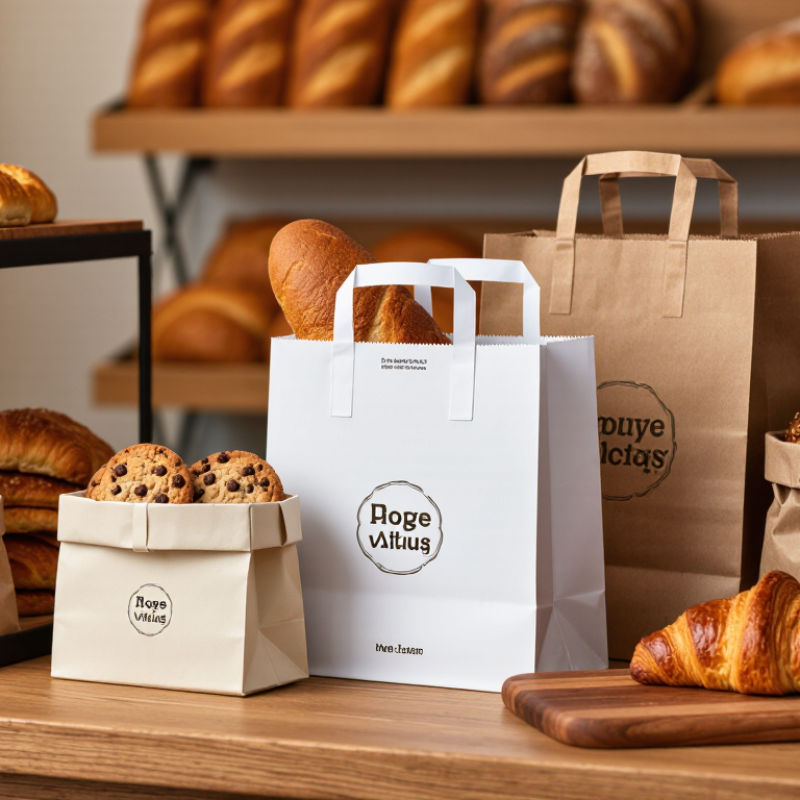
A bakery bag does more than carry a purchase. It protects a flaky croissant on the walk home, gives a loaf a clean presentation, and puts your shop’s name in customers’ hands. Bakery Paper Bags can suit counter service, takeaway orders, and market stalls, especially when their size matches the product. A small bag for two cookies feels considered. An oversized one can look wasteful.

The choice deserves a closer look. Paper types, handles, printing, and grease resistance vary, so a bag that works for crusty bread may not suit a buttery pastry. Ask suppliers for product details and samples, then test bags with the items you actually sell. Watch how they hold up during a busy shift. Check whether hot goods soften the base or leave marks. Small details matter.

There are trade-offs. Paper bags may tear when overloaded, and some coatings can affect how they are sorted after use. “Paper” alone does not guarantee a lower impact; sourcing, construction, and local waste services all play a role. That part is easy to overlook. A practical choice balances appearance, protection, cost, and disposal options, rather than relying on a green-sounding label. The right bag should feel sturdy in a customer’s hand and work smoothly behind the counter. It should also fit your brand without making every order more complicated. A little testing can reveal what a catalogue photo cannot.
Why Choose Bakery Paper Bags for Your Business?

What Bakery Paper Bags Are and How They Are Used

Bakery paper bags are lightweight food packages, usually made from kraft paper or another food-contact paper grade. They hold items such as rolls, cookies, muffins, and pastries for takeaway or display. Some are plain; others have a window that lets customers see the product. Their simple structure makes them easy to store and quick to fill.

The bag protects baked goods from handling and helps keep crumbs contained. It is not an airtight container. A warm loaf can release steam, while a crisp pastry may soften inside a closed bag. Small details matter. Bakeries often choose a size that fits the product without crushing it, and fold the top to keep items from spilling during a short trip. For oily or heavily filled pastries, a suitable grease-resistant lining may help prevent marks from showing through. Not always. The right choice depends on the food.

At the counter, staff can place a cookie directly into a small bag or use a larger one for several rolls. Windows help with identification, but they can reduce the paper area available for printing or labeling. One easy mistake is assuming every paper bag suits every pastry. Testing a few sizes with actual products can reveal problems, such as a bag tearing at the fold or letting butter soak through.

How Paper Bags Protect Baked Goods During Handling

Why Choose Bakery Paper Bags for Your Business?

How Paper Bags Protect Baked Goods During Handling

A warm loaf shifts easily when carried from oven to counter. A well-sized bakery paper bag helps contain crumbs, shields crusts from dusty surfaces, and makes handoffs steadier. Its folded base supports the product, while the paper sides reduce direct rubbing against hands or other items. This matters for croissants and iced pastries, which can be crushed by loose stacking. Paper is not magic, though. Damp bags can soften, and thin paper may tear under a heavy loaf.

The FAO report The State of Food and Agriculture 2023 estimates that 13.2% of food was lost globally between harvest and retail in 2020. That figure is not specific to bakeries, but it highlights why careful handling and packaging matter across food supply chains. For daily bakery use, choose a bag that fits without squeezing the product. A snug fit limits movement; excessive pressure can damage delicate toppings. Test bags with actual products and carrying routines, since paper weight alone cannot predict every failure.

Tips: Let hot goods release excess steam before packing. Keep bags dry, and avoid stacking fragile pastries beneath heavier loaves. Check the base seam during busy shifts. Small details matter.

How Packaging Supports Branding and Customer Experience

A bakery bag is part of the product experience, not just a way to carry bread. WestRock’s 2018 Packaging Matters study found that 66% of consumers said packaging design influenced a purchase decision. For a bakery, that design might be a simple logo, warm colors, and clear lettering customers can spot while walking down the street. Keep the branding consistent across bags, pastry sleeves, and takeaway orders. Small details matter. A grease mark across the logo, though, can undo that polish.

The bag also shapes how food arrives at the customer’s table. A sturdy base helps keep a box of pastries level; a folded top can protect a still-warm loaf on the short trip home. McKinsey’s 2020 report, Sustainability in Packaging, found that many surveyed U.S. consumers were willing to pay more for packaging they considered sustainable. Paper bags can support that preference, but material alone does not prove environmental benefit. Sourcing and disposal matter too. Be honest about what your bag is made from, and avoid vague green claims. The package can feel thoughtful. It cannot fix a slow queue or a crushed croissant.

Why Choose Bakery Paper Bags for Your Business?

How packaging supports branding and customer experience

What the chart shows: Bakery paper bags can support these packaging functions when specified appropriately. The bars indicate feature availability, not survey results or a rating of performance. Print options, grease resistance, food-contact suitability, and recyclability depend on the bag design, materials, and local requirements.

Available Materials, Sizes, and Customization Options

Bakery paper bags work best when their material matches the food. Unbleached kraft offers a natural look and useful stiffness for bread rolls and cookies. White paper gives printed colors better contrast. Grease-resistant paper can help with buttery croissants, though added barriers may affect recycling options. Check with local waste services before choosing a coated finish.

Size affects both presentation and packing speed. A narrow bag can hold a baguette securely, while a wider gusset helps pastries sit flat instead of crushing at the corners. Small bags suit single cookies; larger formats can fit a loaf or several buns. Fit matters. Test real products in sample bags during a busy service period. A size that looks right on a screen may be awkward at the counter.

Customization can include a printed logo, product name, window, handle, or simple seasonal design. Keep essential details readable, even on a folded bag. Paper sourcing also matters: the American Forest & Paper Association reported a U.S. paper recycling rate of 65–69% for 2023. That industry estimate supports paper’s established recovery system, but it does not guarantee every bag will be recycled. Food residue, coatings, and local collection rules can change the outcome. A plain bag may be the more practical choice.

How to Select Paper Bags for Your Bakery’s Needs

Choosing a bakery paper bag starts with the product, not the print. A warm croissant needs a breathable bag that limits condensation; a frosted pastry needs a grease-resistant barrier and enough room to prevent smearing. Measure your largest item, then test the bag with real products during a busy service. A bag that looks right empty may buckle when filled.

Match paper weight and design to daily handling. A thin bag suits a light roll, while heavier items may need a reinforced base or twisted handles. Ask suppliers for food-contact documentation and clear details about coatings, inks, and grease resistance. Check whether the bag fits your counter, storage shelves, and takeaway portions. Small operational details matter.

End-of-life claims deserve a closer look. The U.S. Environmental Protection Agency’s 2018 Facts and Figures report recorded a 68.2% recycling rate for all paper and paperboard in the United States. That figure does not mean every bakery bag is recyclable: coatings, food residue, and local collection rules can change the outcome. There is no perfect bag. Run a short trial, inspect leaks and tearing, and ask customers whether the size feels practical. A little trial and error is normal.

Article Source: