
10 Tips for Choosing Reliable Backpack Manufacturers?
Choosing dependable Backpack Manufacturers is more than comparing factory prices or browsing polished websites. A reliable partner should prove quality through samples, production records, material testing, and clear communication. Their answers should remain consistent from the first email to the final inspection.
JanSport co-founder Skip Yowell once said, “The best journey answers questions that in the beginning you didn't even think to ask.” That idea fits backpack sourcing closely. Strong manufacturers welcome detailed questions about fabric weight, stitching density, zipper brands, padding thickness, and load-bearing tests. They can explain where materials come from and how defects are handled. They also provide realistic production schedules, transparent minimum order quantities, and recent client references.
Look closely.
A factory tour, whether physical or virtual, can reveal useful details. Watch how workers organize cutting tables, inspect seams, and protect finished bags from dust. Ask to see quality-control checklists, not only attractive product photos. Independent testing may confirm water resistance, colorfastness, and strap durability. Certifications can support trust, but they should be verified rather than accepted blindly.
Experience matters, but it does not guarantee perfection. Even experienced buyers sometimes overlook packaging, replacement parts, or communication delays. A small pilot order can expose weaknesses before a large commitment. This guide presents ten practical tips for evaluating Backpack Manufacturers with greater confidence, while acknowledging that no supplier relationship is completely risk-free. Careful judgment still matters.
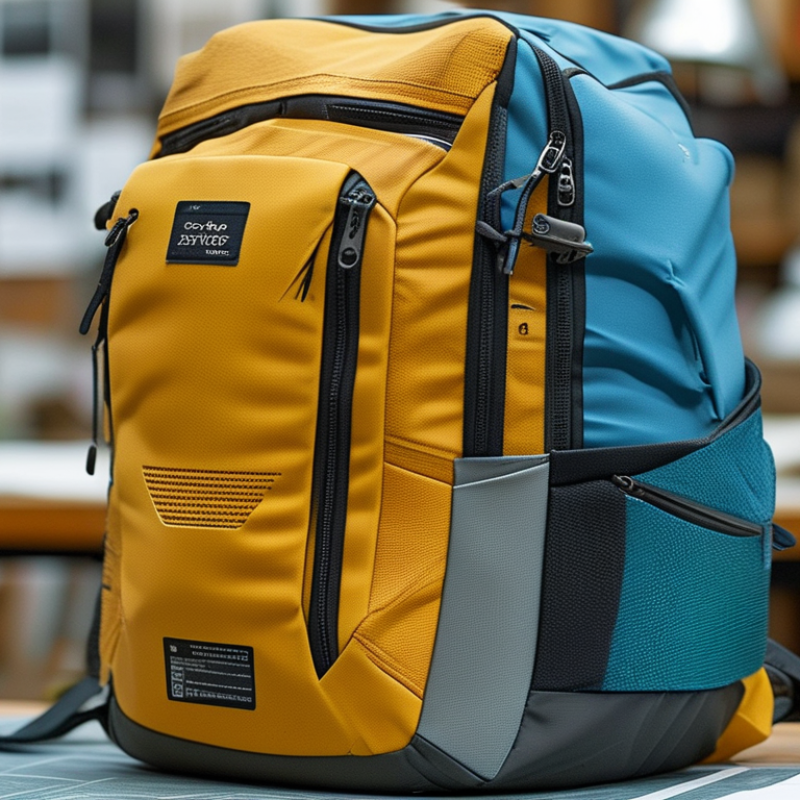
Define Specifications and Capacity with MOQ, Lead Time, and Trade Data
Reliable backpack sourcing begins with a measurable specification sheet. Define fabric weight, coating, zipper type, stitching density, dimensions, and empty weight. Capacity needs more than a “30-liter” label. Ask how volume is measured, including external pockets and expansion sections. A 30-liter bag can feel smaller when padding consumes useful space. Small details matter.
Request a sample packed with realistic items, such as a laptop, jacket, bottle, and documents. Record the internal fit and carry comfort. Then compare the sample against the production specification. Confirm the minimum order quantity before negotiating prices. A low MOQ may increase unit costs or reduce material choices. Ask for production lead time, sample time, approval deadlines, and shipping preparation. Leave buffer days for revisions. I once underestimated approval delays; the factory met its schedule, but the launch still slipped.
Trade data can support, but not replace, supplier verification. Review shipment frequency, declared product categories, export markets, and consistency across several months. Sudden gaps deserve questions. Compare trade records with factory addresses, certificates, inspection reports, and direct production evidence. Request clear answers about monthly capacity and peak-season limits. A supplier claiming unlimited output may be overstating its resources. Use independent inspections and written quality checkpoints for higher reliability. Cross-checking takes time. That time is cheaper than receiving thousands of inconsistent backpacks.
10 Tips for Choosing Reliable Backpack Manufacturers — Define Specifications and Capacity with MOQ, Lead Time, and Trade Data
Practical comparison framework for evaluating product fit, production readiness, order flexibility, delivery risk, and export documentation.
| Evaluation Area | Recommended Specification | Typical Capacity | Indicative MOQ | Sample Lead Time | Bulk Production Lead Time | Quality Checkpoints | Trade-Data and Compliance Checks |
|---|---|---|---|---|---|---|---|
| Daily Commuter Backpack | Approx. 42 × 30 × 15 cm; padded laptop compartment; water-resistant outer fabric; reinforced shoulder straps. | 18–22 L | 100–300 pcs | 7–14 calendar days | 30–45 calendar days after approval | Seam strength, zipper operation, strap bartacks, lining coverage, laptop-compartment dimensions. | Confirm the applicable HS classification; textile backpacks are commonly reviewed under HS 4202.92, but classification depends on construction and destination rules. |
| School Backpack | Approx. 45 × 32 × 18 cm; lightweight construction; two or more compartments; reflective details where required. | 22–28 L | 300–500 pcs | 10–18 calendar days | 35–50 calendar days | Load testing, sharp-edge inspection, strap adjustment, colorfastness, small-parts safety review. | Check destination-market requirements for children’s products, labeling, fiber composition, warnings, and restricted substances. |
| Travel Carry-On Backpack | Approx. 48 × 32 × 20 cm; clamshell opening; luggage sleeve; lockable zipper pulls; structured base. | 28–35 L | 200–500 pcs | 10–18 calendar days | 40–55 calendar days | Handle pull test, base abrasion, zipper-cycle testing, packed-dimension verification, stitch density. | Compare destination airline carry-on dimensions separately; customs data should be checked by HS code, origin, destination, value, and quantity. |
| Hiking Daypack | Approx. 50 × 30 × 20 cm; breathable back panel; chest strap; hydration-compatible pocket; durable webbing. | 25–32 L | 200–500 pcs | 12–20 calendar days | 45–60 calendar days | Static load test, buckle durability, webbing pull strength, water-repellency test, abrasion resistance. | Request fabric composition, coating information, and test reports; verify whether recycled-content claims require chain-of-custody evidence. |
| Large Trekking Pack | Approx. 70 × 35 × 25 cm; adjustable suspension system; hip belt; external compression straps; rain cover. | 45–65 L | 100–300 pcs | 14–21 calendar days | 50–70 calendar days | Harness adjustment, load distribution, frame durability, hip-belt stitching, buckle and cord-lock testing. | Use shipment-level trade data to compare seasonal lead times, freight routes, declared quantities, and tariff treatment. |
| Business Laptop Backpack | Approx. 44 × 31 × 16 cm; padded 15–16 inch laptop sleeve; document section; concealed pocket; trolley strap. | 20–26 L | 100–300 pcs | 7–14 calendar days | 30–45 calendar days | Laptop-sleeve fit, foam recovery, handle pull strength, interior organization, logo-placement accuracy. | Separate product value from freight and insurance when comparing customs records; confirm the declared unit value is commercially reasonable. |
| Lightweight Foldable Pack | Approx. 45 × 28 × 16 cm when expanded; 70–150 denier synthetic fabric; compact storage pouch. | 15–20 L | 500–1,000 pcs | 10–16 calendar days | 35–50 calendar days | Repeated folding test, fabric tear resistance, seam slippage, pouch dimensions, color consistency. | Confirm fabric and coating declarations; compare import volumes by month to identify peak-season congestion risk. |
| Water-Resistant Outdoor Pack | Approx. 48 × 30 × 18 cm; coated fabric; storm flap or water-resistant zipper; taped or protected seams. | 22–30 L | 200–500 pcs | 12–20 calendar days | 40–60 calendar days | Hydrostatic or spray testing, coating adhesion, zipper sealing, seam leakage, abrasion after wet testing. | Do not treat “water-resistant” as “waterproof”; request the test method, test conditions, and pass/fail criteria in writing. |
| Custom Promotional Backpack | Client-defined dimensions, color palette, artwork, packaging, hangtags, and decoration method. | 12–30 L | 500–2,000 pcs | 10–20 calendar days | 35–60 calendar days | Pre-production sample approval, artwork color matching, print or embroidery durability, packaging count. | Confirm country-of-origin marking, carton information, product labeling, and any destination-specific chemical or packaging rules. |
| Premium Recycled-Fabric Pack | Recycled polyester or nylon fabric; durable lining; molded or padded structure; documented material traceability. | 20–35 L | 300–1,000 pcs | 14–21 calendar days | 45–70 calendar days | Material composition verification, color migration, abrasion, seam strength, recycled-content documentation. | Request transaction certificates or equivalent evidence when making recycled-content claims; screen suppliers against shipment history and production capacity. |
Related Posts
-
Top Backpack Manufacturers in China for Global Buyers?
-
Exploring the 2025 Technological Trends: How Top Backpack Manufacturers Innovate for Sustainability
-
How to Find Reliable Backpack Manufacturers for Your Business?
-
How to Choose the Perfect Back Pack for Your Daily Adventures
-

How to Choose Between a Backpack and Suitcase for Travel?
-

5 Essential Tips for Choosing the Perfect Backpack Suitcase